
Cart
No products in the cart.
 English
 Български (Bulgarian)
 Hrvatski (Croatian)
 Čeština (Czech)
 Dansk (Danish)
 Nederlands (Dutch)
 Suomi (Finnish)
 Français (French)
 Deutsch (German)
 Ελληνικά (Greek)
 Magyar (Hungarian)
 Italiano (Italian)
 Norsk bokmål (Norwegian Bokmål)
 Polski (Polish)
 Português (Portuguese (Portugal))
 Română (Romanian)
 Русский (Russian)
 Español (Spanish)
 Svenska (Swedish)
 Türkçe (Turkish)
Showing 1–16 of 30 resultsSorted by popularity
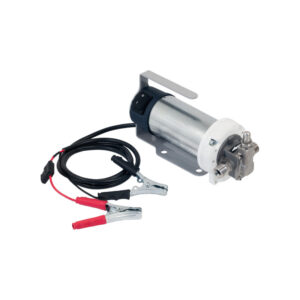
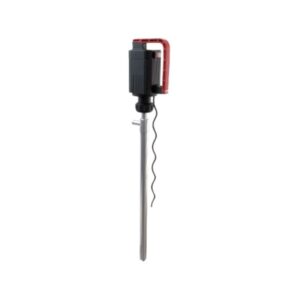
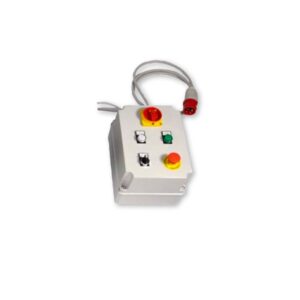
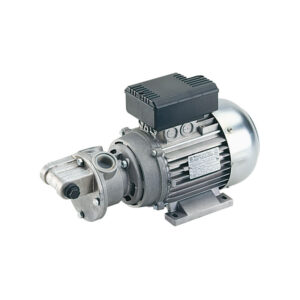
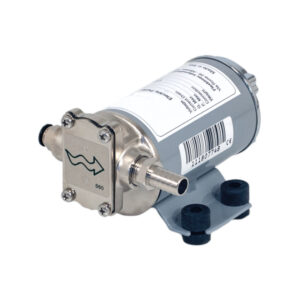
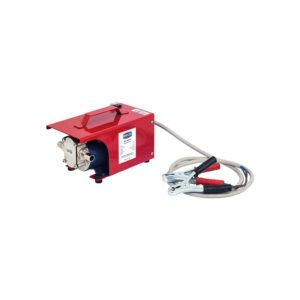
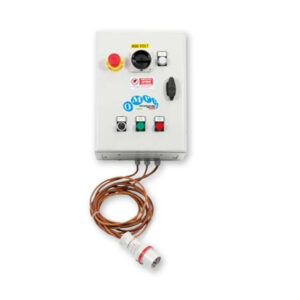
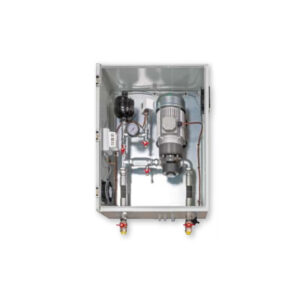
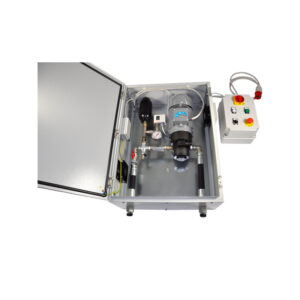
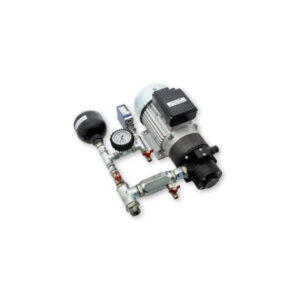
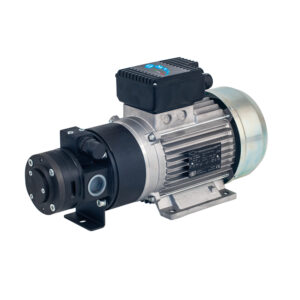
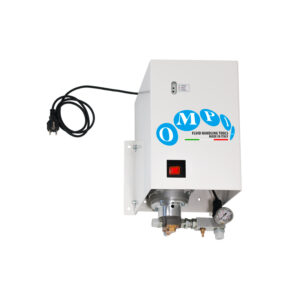
Electric pumps are powered fluid handling devices used in industrial automotive repair and workshop settings to transfer, meter, or supply oil, diesel, antifreeze, water, chemical liquids or AdBlue®. These electrically driven units operate at AC or DC voltages and include gear, rotary vane or transfer types. Common models include electric self-priming gear pumps, electric transfer pumps, control boxes for electric pumps, chemical pumps, and electric gear pump systems.
In this category you will find electric self-priming gear pumps in both 12/24 VDC and 230 VAC configurations, suitable for fluids like oil, antifreeze, diesel, water, or AdBlue®. There are electric transfer pumps designed for chemicals with suction pipes in polypropylene, stainless steel, or PVDF materials. Also included is a control box for electric pumps, typically a panel in a plastic cabinet for single-phase 230 VAC motors. The gear pumps often use stainless steel or bronze gears and are rated for specified pressure, flow rate, and protection classes.
These electric pumps are used in automotive workshops, repair shops, service stations, and chemical handling facilities. Gear-type self-priming pumps supply fluid into engines or reservoirs, such as fueling AdBlue® systems. Transfer pumps are used to move chemical liquids from drums or IBC tanks, compatible with aggressive fluids and varying viscosities. Control panels integrate into pumping systems for safety and motor control. Typical uses include fluid transfer, chemical handling requiring material compatibility, and pumping high-viscosity fluids.
Electric pumps in this category are mechanical devices powered by electric motors to move fluids by creating pressure or suction. Self-priming gear pumps use intermeshing gears to draw fluid and are capable of handling low flows at moderate pressures; rotary vane pumps provide smooth continuous flow. Key performance parameters include voltage (e.g. 12/24 VDC or 230 VAC), power rating (e.g. 240-800 W), maximum pressure (e.g. 5-15 bar), flow rate (e.g. around 10-90 liters per minute), and protection class such as IP 55 for resistance to dust and moisture. Materials such as stainless steel (AISI 304 or 316), PVDF, polypropylene, or bronze affect chemical compatibility, corrosion resistance and durability. Connections may use BSP threads or hose fittings. Variations include pumps designed for AdBlue®, for high-viscosity chemicals (up to ~900 cps), or for battery powered mobile setups. Standards like CE marking are relevant, and designs may include safety switches, bypass valves, bypass preset pressures, and safety considerations for operating temperature ranges. Selection depends on fluid type, viscosity, environmental exposure, voltage supply, desired flow and pressure ratings, and material compatibility.
MEMIDOS is a global B2B platform specializing in industrial equipment, where buyers can order electric pumps directly from verified manufacturers and suppliers without intermediaries. This direct procurement approach reduces overhead and enhances process efficiency. Payments are handled securely via escrow: MEMIDOS holds funds until order conditions, like shipment, are satisfied, protecting both buyer and supplier. Industrial purchasers gain access to high-quality electric pump products and technical specifications, improving transparency in sourcing and simplifying international industrial procurement.
English
Български (Bulgarian)
Hrvatski (Croatian)
Čeština (Czech)
Dansk (Danish)
Nederlands (Dutch)
Suomi (Finnish)
Français (French)
Deutsch (German)
Ελληνικά (Greek)
Magyar (Hungarian)
Italiano (Italian)
Norsk bokmål (Norwegian Bokmål)
Polski (Polish)
Português (Portuguese (Portugal))
Română (Romanian)
Русский (Russian)
Español (Spanish)
Svenska (Swedish)
Türkçe (Turkish)