
Cart
No products in the cart.
 English
 Български (Bulgarian)
 Hrvatski (Croatian)
 Čeština (Czech)
 Dansk (Danish)
 Nederlands (Dutch)
 Suomi (Finnish)
 Français (French)
 Deutsch (German)
 Ελληνικά (Greek)
 Magyar (Hungarian)
 Italiano (Italian)
 Norsk bokmål (Norwegian Bokmål)
 Polski (Polish)
 Português (Portuguese (Portugal))
 Română (Romanian)
 Русский (Russian)
 Español (Spanish)
 Svenska (Swedish)
 Türkçe (Turkish)
Showing 1–16 of 17 resultsSorted by popularity
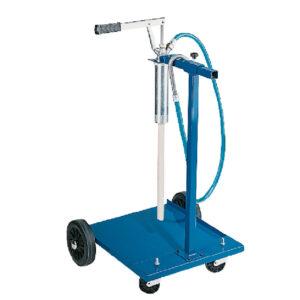
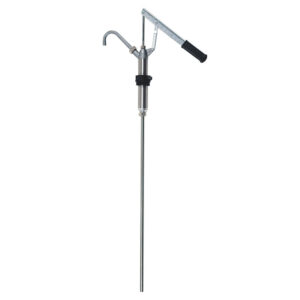
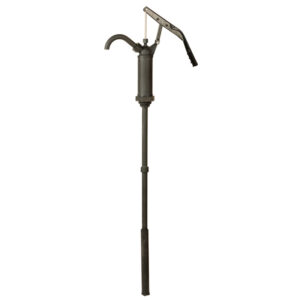
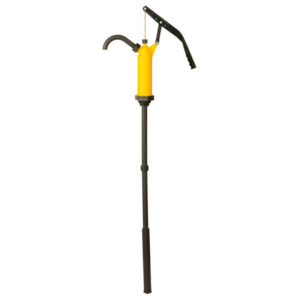
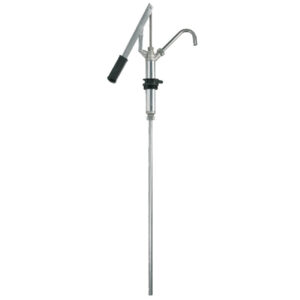
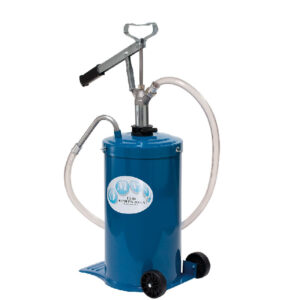
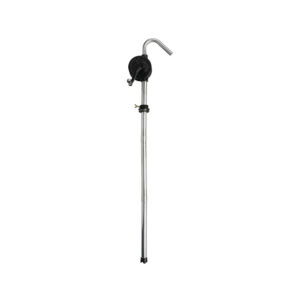
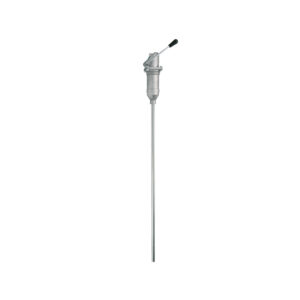
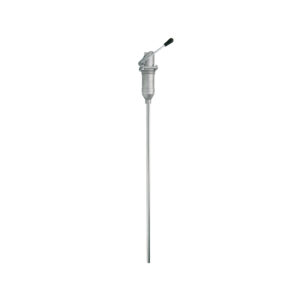
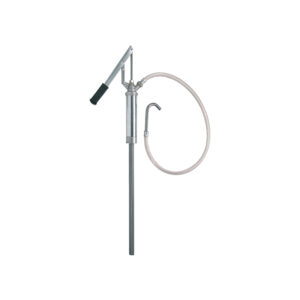
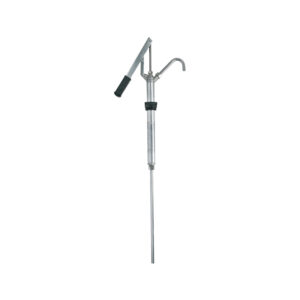
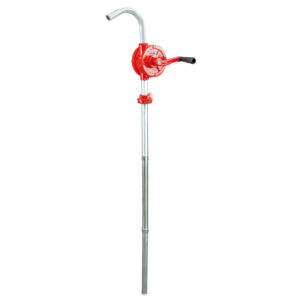
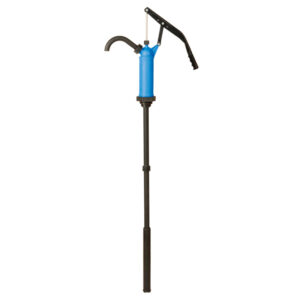
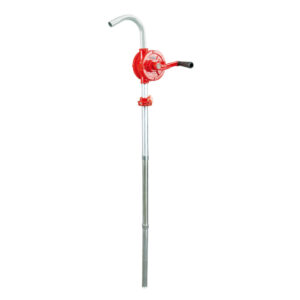
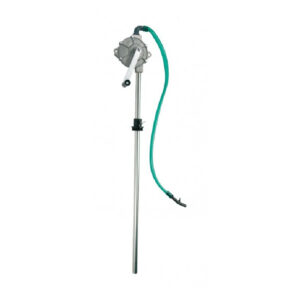
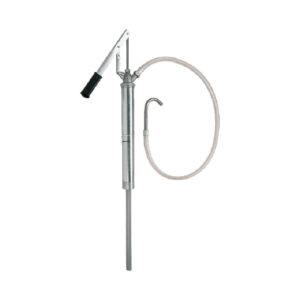
Hand-operated pumps refer to manually powered devices used in industrial settings to transfer fluids such as oil, diesel, antifreeze, chemicals, and strong acids or bases. These pumps leverage manual force via handles, levers or rotary action. They are essential in automotive repair, workshop environments and chemical handling operations where electric or pneumatic power may be unavailable or undesirable.
Within this category, you will see several types of hand-operated fluid pumps designed for specific tasks. There are manual oil pumps including single-acting pumps for dispensing oil, drum oil dispensing trolleys and units for mobile oil dispensing. You will also find manual rotary barrel pumps suited to oil and fuel transfer. Certain piston pumps are engineered for both oil and chemicals, while specialised piston models are built for handling strong acids and bases such as nitric acid. Also available are manual pumps compatible with drums or barrels, with different output rates.
Hand-operated pumps are widely used in automotive workshops to move oil or antifreeze from large drums into machines or containers. They are also used in chemical plants or labs when transferring acids or strong chemical bases under controlled conditions. In fuel distribution or storage facilities they support safe transfer of fuel or oil without reliance on powered systems. Considerations such as chemical compatibility and drum-mounted piston pumps reflect concerns over corrosive or hazardous media. Safety transfer, fluid dispensing and containment are key use cases in such demanding industries.
These pumps function by manually creating pressure or suction to move fluids. Key performance parameters include flow rate (litres per minute), compatibility with fluid type (oil, chemical, strong acid/base), drum capacity compatibility (e.g. 60-220 litre barrels), and construction materials such as steel or stainless steel (AISI 304), polypropylene spouts and EPDM or Teflon seals. Seals and wetted parts must resist corrosion when handling aggressive chemicals.
Variants include single acting versus double acting piston pumps, rotary barrel pumps, and pumps designed for chemical resistance versus those optimized for oils or fuel. Piston pumps generally provide more precise control and are useful for thick or chemical fluids, while rotary barrel and drum pumps offer higher flow rates for more free-flowing liquids. Compliance features such as CE marking may be visible, especially on chemical-handling models.
Selecting the right pump involves assessing the chemical nature of the fluid (pH, corrosiveness), temperature range, required flow rate, drum size, seal material compatibility, and construction material. Environmental factors such as the presence of flammable vapours, ambient temperature, and exposure to corrosive atmospheres are relevant. Safety clearances and adherence to relevant European, international or local chemical handling standards should be considered.
MEMIDOS is a global industrial B2B platform where procurement professionals and engineers source hand-operated pumps directly from verified manufacturers and suppliers. The platform facilitates purchasing without intermediaries, allowing more efficient procurement and competitive pricing. Payment is handled securely through an escrow-style system: funds are held until order conditions, such as shipment confirmation, are met. Buyers gain access to high-quality industrial components all in one place, with transparency in specifications and supplier credentials, simplifying international procurement with reduced risk.
English
Български (Bulgarian)
Hrvatski (Croatian)
Čeština (Czech)
Dansk (Danish)
Nederlands (Dutch)
Suomi (Finnish)
Français (French)
Deutsch (German)
Ελληνικά (Greek)
Magyar (Hungarian)
Italiano (Italian)
Norsk bokmål (Norwegian Bokmål)
Polski (Polish)
Português (Portuguese (Portugal))
Română (Romanian)
Русский (Russian)
Español (Spanish)
Svenska (Swedish)
Türkçe (Turkish)