
Cart
No products in the cart.
 English
 Български (Bulgarian)
 Hrvatski (Croatian)
 Čeština (Czech)
 Dansk (Danish)
 Nederlands (Dutch)
 Suomi (Finnish)
 Français (French)
 Deutsch (German)
 Ελληνικά (Greek)
 Magyar (Hungarian)
 Italiano (Italian)
 Norsk bokmål (Norwegian Bokmål)
 Polski (Polish)
 Português (Portuguese (Portugal))
 Română (Romanian)
 Русский (Russian)
 Español (Spanish)
 Svenska (Swedish)
 Türkçe (Turkish)
Showing 49–63 of 63 resultsSorted by popularity
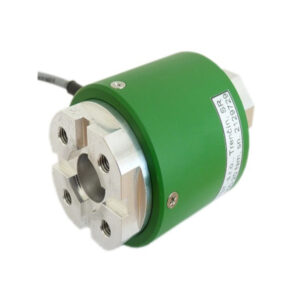
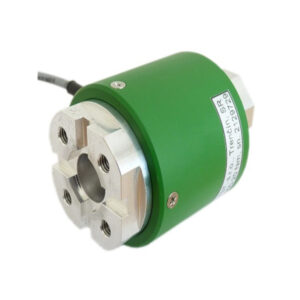
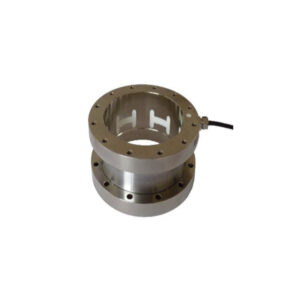
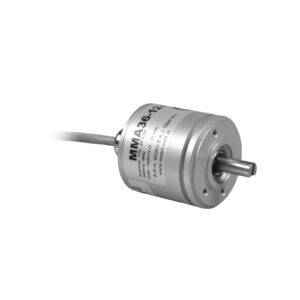
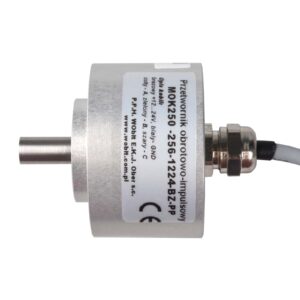
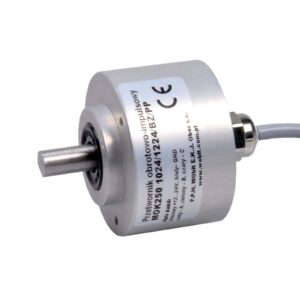
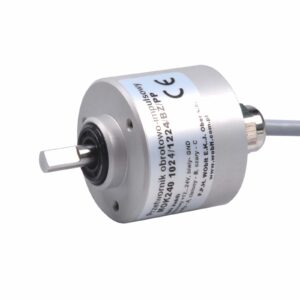
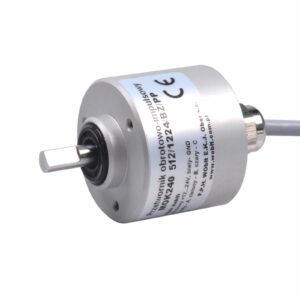
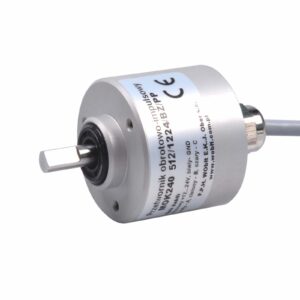
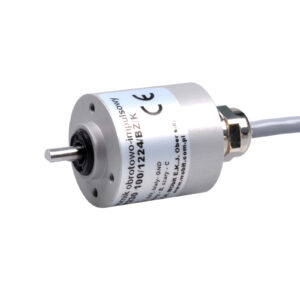
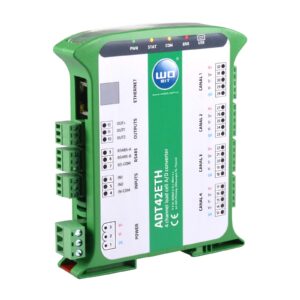
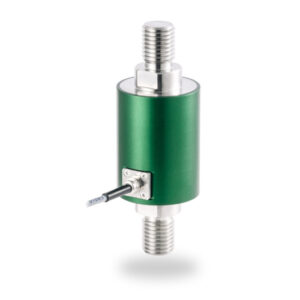
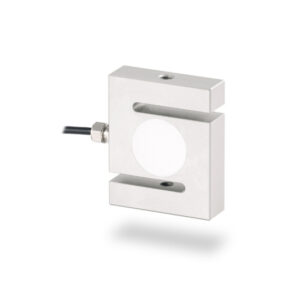
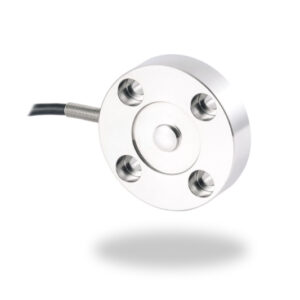
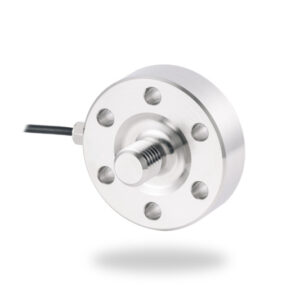
Sensor technology refers to products that detect, measure, or convert physical quantities into electrical signals within industrial systems. This category includes encoders, torque sensors, weighing and force sensors, and signal conditioners. These devices are essential for automation, monitoring, and process control in settings where precision, repeatability, and reliability are required.
Within this category, you will find sensor-related equipment such as encoders for position or speed feedback. Torque sensors measure rotational force, while weighing and force sensors detect weight, load or pressure. Signal conditioners are also included, used to process signals from sensors—converting, amplifying or filtering outputs to suit downstream systems. All these product types are listed explicitly under sensor technology.
These sensor products are used in manufacturing automation, robotic arms, and motion control systems where encoders provide feedback on shaft position or speed. Torque sensors are applied in drivetrain testing, motor evaluation or power transmission assemblies. Weighing and force sensors serve in load measurement, material handling, and structural testing. Signal conditioners ensure compatible signal levels, maintain signal integrity, and enable environmental noise immunity. Common application areas include industrial automation safety, machine condition monitoring, and sensor interface standards.
Encoder devices convert rotational or linear motion into digital or analog signals; technical attributes include resolution (lines per revolution or pulses per inch), output type (incremental or absolute), shaft or hollow bore design, and protection ratings (e.g. IP classes). Torque sensors must handle specified peak torque ranges, angular accuracies, fatigue life, and mounting interface standards. Weighing and force sensors (often strain gauge type) are specified by capacity range, linearity, hysteresis, temperature compensation, and output sensitivity. Signal conditioners interface between raw sensor output and control systems: they may provide analog outputs (e.g. 0-10 V, 4-20 mA), digital communication (e.g. RS-485), filtering, isolation and calibration. Key variations include single versus multi-axis sensors, voltage versus current output, and whether the measurement is static or dynamic. Standards may cover safety (e.g. IEC), electrical compatibility (EMC), and environmental resistance (temperature, humidity, ingress protection). Selection requires matching sensor capacity to load, ensuring compatibility with control inputs, considering environmental stresses (vibration, temperature extremes), and verifying signal integrity over cable runs.
MEMIDOS is a global B2B platform connecting buyers with verified manufacturers and suppliers of industrial equipment. Direct purchasing from manufacturers and suppliers without intermediaries reduces procurement layers and can improve efficiency and pricing. Payment handling is secure and escrow-based, with funds held by MEMIDOS until order conditions such as shipment are met, providing protection for buyers and payment assurance for suppliers. Buyers gain access to a curated range of high-quality sensor technology from certified sources. The platform simplifies international procurement by offering transparency in product specifications and supplier credentials.
English
Български (Bulgarian)
Hrvatski (Croatian)
Čeština (Czech)
Dansk (Danish)
Nederlands (Dutch)
Suomi (Finnish)
Français (French)
Deutsch (German)
Ελληνικά (Greek)
Magyar (Hungarian)
Italiano (Italian)
Norsk bokmål (Norwegian Bokmål)
Polski (Polish)
Português (Portuguese (Portugal))
Română (Romanian)
Русский (Russian)
Español (Spanish)
Svenska (Swedish)
Türkçe (Turkish)