
Cart
No products in the cart.
 English
 Български (Bulgarian)
 Hrvatski (Croatian)
 Čeština (Czech)
 Dansk (Danish)
 Nederlands (Dutch)
 Suomi (Finnish)
 Français (French)
 Deutsch (German)
 Ελληνικά (Greek)
 Magyar (Hungarian)
 Italiano (Italian)
 Norsk bokmål (Norwegian Bokmål)
 Polski (Polish)
 Português (Portuguese (Portugal))
 Română (Romanian)
 Русский (Russian)
 Español (Spanish)
 Svenska (Swedish)
 Türkçe (Turkish)
Showing 1–16 of 21 resultsSorted by popularity
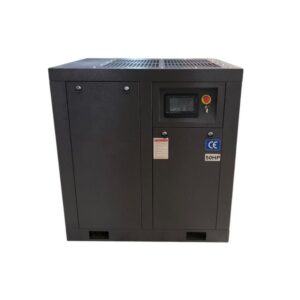
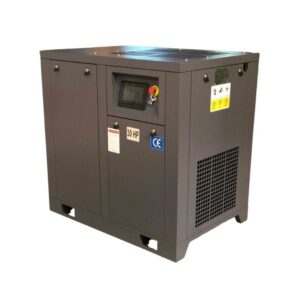
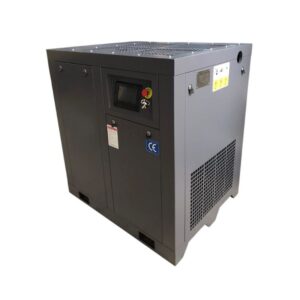
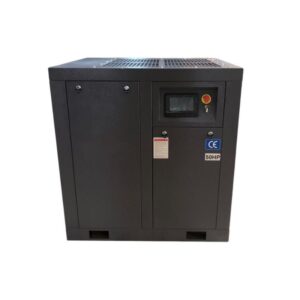
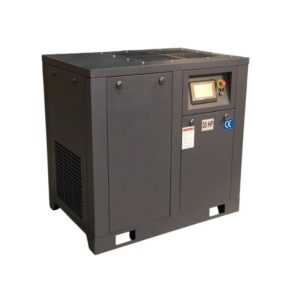
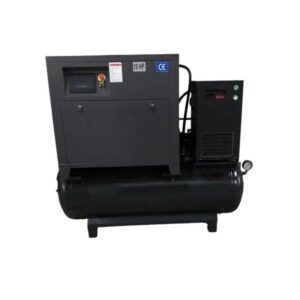
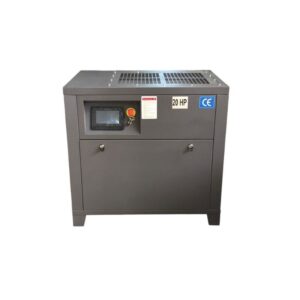
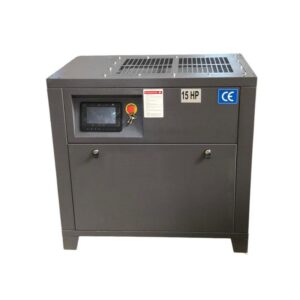
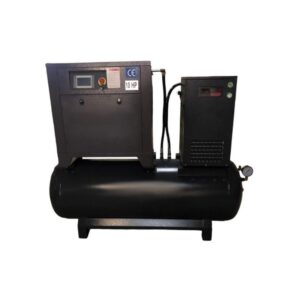
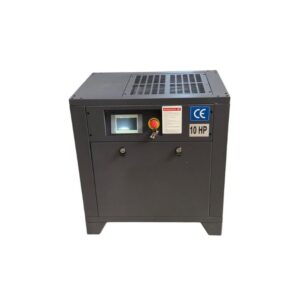
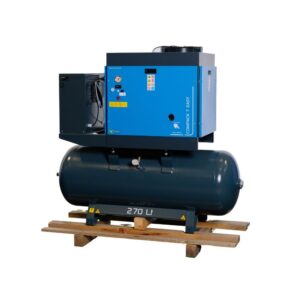
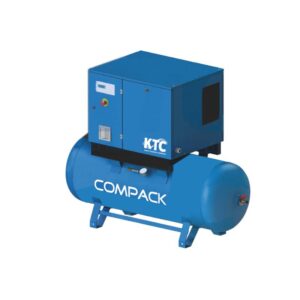
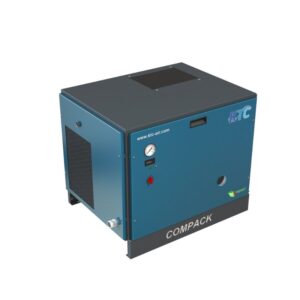
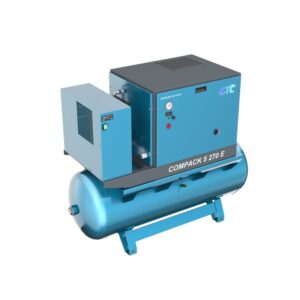
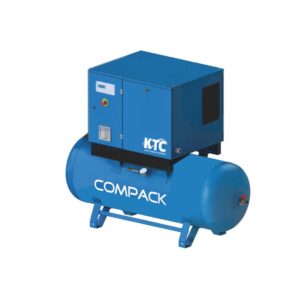
Air compressors are mechanical devices that pressurize air for industrial and commercial applications. They convert power—electric, diesel, or otherwise—into potential energy stored as compressed air. These machines are central to industries requiring high-pressure air supply, intermittent or continuous airflow, and precise pressure control. Applications include screw compressors, variable-speed and fixed-speed units, and specifications such as airflow (L/min), tank capacity, and pressure rating (bar).
This category includes screw compressors in fixed-speed and variable-speed configurations. Some models are paired with air tanks and air dryers, providing integrated solutions. Other units are floor-mounted, delivering high flow at pressures such as 8 or 10 bars. Products vary from smaller units with lower motor power to larger compressors offering high flow rates. Certain compressors come with performance specifications like tank size, airflow in liters per minute, pressure in bars, and features such as direct drive or inverter control.
Air compressors in this range serve industrial environments like manufacturing plants, fabrication workshops, and processing facilities. They are used for powering pneumatic tools, spray painting systems, and air-drying equipment. Performance parameters such as airflow and pressure are critical when integrating into pneumatic tool systems. In HVAC and process industries, tank-mounted units with air dryers ensure dried compressed air for sensitive operations. Variable-speed models help in lowering energy consumption and maintaining stable pressure under fluctuating load conditions.
Air compressors convert mechanical energy into compressed air by reducing air volume, generating pressure typically measured in bar. Key technical characteristics include airflow rate (L/min), maximum pressure (bar), motor power (kW), and tank capacity (liters, where present). Materials often include steel tanks, aluminum components, sound-insulated casings, and surface treatments appropriate for cooling and oil separation. Variations include fixed-speed screw compressors, operating at constant motor speed, and variable-speed drive (VSD) screw compressors, which adjust motor speed to match demand. Some units include air dryers and larger tanks for moisture control. Compliance standards such as CE marking ensure conformity with safety and electrical regulations. Selection depends on operating environment (temperature, humidity), required pressure and flow, duty cycle, motor supply voltage, and compatibility with pneumatic systems.
MEMIDOS operates as a global B2B platform connecting industrial equipment purchasers directly with manufacturers and verified suppliers. By eliminating intermediaries, it enables more efficient procurement and competitive pricing. Payment is handled securely through an escrow-based system: funds are held by MEMIDOS until order conditions such as shipment are met, protecting buyers while assuring reliability. Industrial buyers gain access to high-quality compressors, CE-marked equipment, and detailed technical data. The platform supports international sourcing, simplifies cross-border procurement, and offers transparency throughout the supply process.
English
Български (Bulgarian)
Hrvatski (Croatian)
Čeština (Czech)
Dansk (Danish)
Nederlands (Dutch)
Suomi (Finnish)
Français (French)
Deutsch (German)
Ελληνικά (Greek)
Magyar (Hungarian)
Italiano (Italian)
Norsk bokmål (Norwegian Bokmål)
Polski (Polish)
Português (Portuguese (Portugal))
Română (Romanian)
Русский (Russian)
Español (Spanish)
Svenska (Swedish)
Türkçe (Turkish)