
Cart
No products in the cart.
 English
 Български (Bulgarian)
 Hrvatski (Croatian)
 Čeština (Czech)
 Dansk (Danish)
 Nederlands (Dutch)
 Suomi (Finnish)
 Français (French)
 Deutsch (German)
 Ελληνικά (Greek)
 Magyar (Hungarian)
 Italiano (Italian)
 Norsk bokmål (Norwegian Bokmål)
 Polski (Polish)
 Português (Portuguese (Portugal))
 Română (Romanian)
 Русский (Russian)
 Español (Spanish)
 Svenska (Swedish)
 Türkçe (Turkish)
Showing 1–16 of 123 resultsSorted by popularity
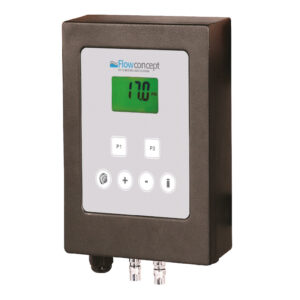
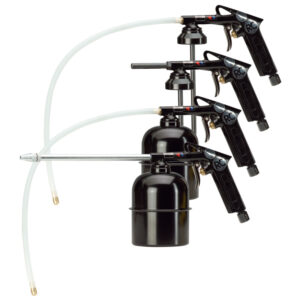
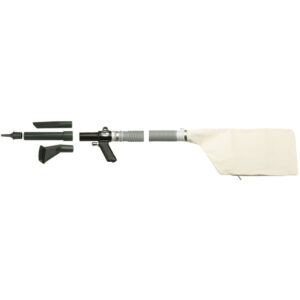
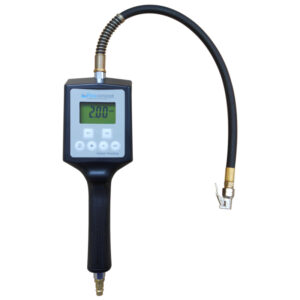
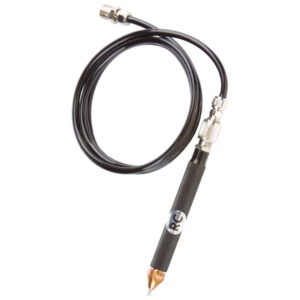
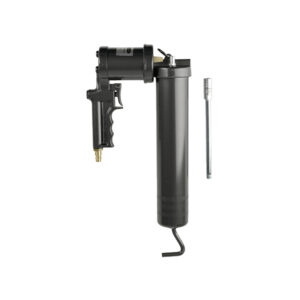
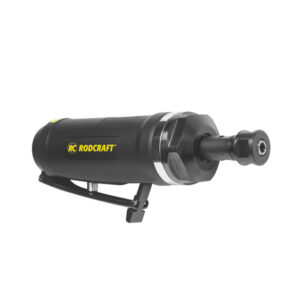
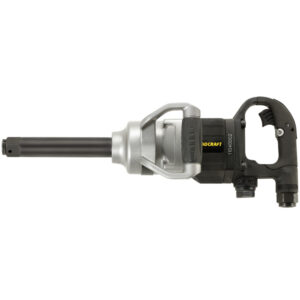
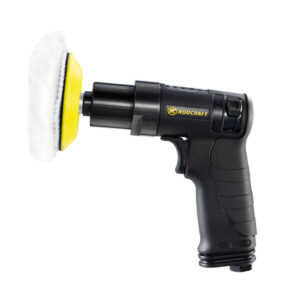
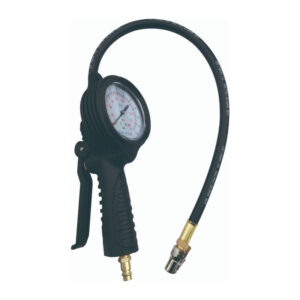
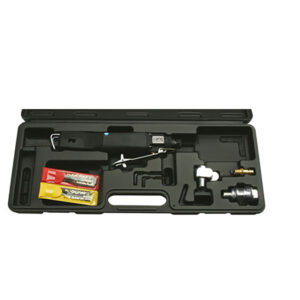
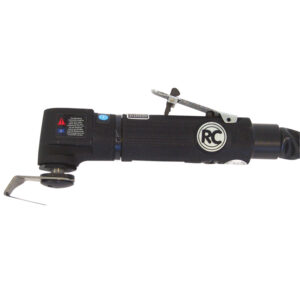
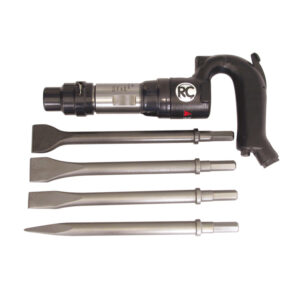
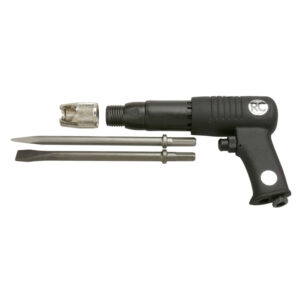
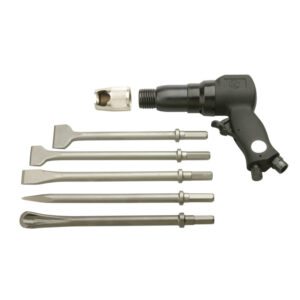
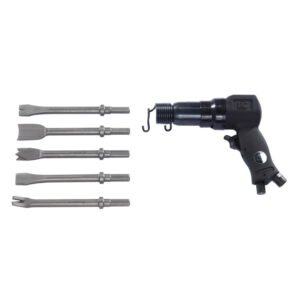
Air tools are power tools operated by compressed air (pneumatic tools) designed for industrial, automotive, and manufacturing environments. They include impact wrenches, ratchets, drills, grinders, spray guns, and more—offering high torque, speed, and durability. Industrial procurement professionals look for air-powered equipment when prioritizing reliability, performance, and precision under demanding conditions.
This category features a wide range of air-driven tools. You will see impact wrenches for fastening high-torque bolts; ratchets suited for tight spaces; drilling machines for making holes in metal, wood, or composites; screwdrivers for precision or repetitive fastening tasks; grinders capable of material removal or finishing; tyre inflators to handle inflation with control; polishers for surface gloss and finish; cutting tools for slicing, shearing or trimming; riveting tools used for removable or permanent joins; chisels and hammers for demolition or shaping; air blow guns for cleaning and drying; spray guns for coatings or painting; and grease guns to apply lubrication.
Air tools are used extensively in automotive repair, industrial assembly, metal fabrication, maintenance and servicing, and surface preparation. They are suitable in engines operations, panel work, body repair, and production line application. In manufacturing plants or repair shops, air-powered cutting, drilling, grinding, or finishing helps achieve consistent tolerances and surface quality. They are also known as pneumatic power tools and industrial air equipment. Environmental control (cooling, ventilation, safety) often accompanies use cases involving air tools to mitigate airborne particles or noise.
Air tools are pneumatically powered tools that convert compressed air into mechanical motion. Key technical characteristics include air pressure (commonly measured in PSI or bar), air flow (CFM or litres per minute), drive size (e.g., ¼-inch, ½-inch square drive), impact force (expressed in Nm or ft-lb), stroke rate or cycles per minute, and tool weight. Materials used in tool housings and internal components often include hardened steel, aluminium alloys, or composite materials to balance durability and weight.
There are common variations among air tools: impact wrenches differ by drive size and torque range; ratchets are designed for confined spaces; drills provide speed, torque, and chuck type variations; grinders vary by disc size and RPM; spray guns differ in nozzle diameter, fluid capacity, and coating type; grease guns have capacities and pressure ratings. Performance tolerances are often regulated by industrial standards for safety, such as ISO standards or national regulation for noise and vibration. Selection considerations include compatibility with your air compressor (pressure and flow requirements), operating environment (temperature, humidity, presence of dust or chemicals), ergonomic and weight constraints, and maintenance needs (air filtering, lubrication, replacement parts).
MEMIDOS is a global B2B platform offering air tools from verified manufacturers and suppliers without middlemen. Buyers benefit from direct procurement links, which can yield more efficient sourcing and better pricing. A secure escrow-based payment system ensures that funds are released only once order conditions such as shipment are fulfilled, protecting both buyer and supplier. Industrial procurement professionals can rely on the platform to access high-quality air tools, push forward complex international purchases, and foster transparency in sourcing.
English
Български (Bulgarian)
Hrvatski (Croatian)
Čeština (Czech)
Dansk (Danish)
Nederlands (Dutch)
Suomi (Finnish)
Français (French)
Deutsch (German)
Ελληνικά (Greek)
Magyar (Hungarian)
Italiano (Italian)
Norsk bokmål (Norwegian Bokmål)
Polski (Polish)
Português (Portuguese (Portugal))
Română (Romanian)
Русский (Russian)
Español (Spanish)
Svenska (Swedish)
Türkçe (Turkish)