
Cart
No products in the cart.
 English
 Български (Bulgarian)
 Hrvatski (Croatian)
 Čeština (Czech)
 Dansk (Danish)
 Nederlands (Dutch)
 Suomi (Finnish)
 Français (French)
 Deutsch (German)
 Ελληνικά (Greek)
 Magyar (Hungarian)
 Italiano (Italian)
 Norsk bokmål (Norwegian Bokmål)
 Polski (Polish)
 Português (Portuguese (Portugal))
 Română (Romanian)
 Русский (Russian)
 Español (Spanish)
 Svenska (Swedish)
 Türkçe (Turkish)
Showing 17–32 of 44 resultsSorted by popularity
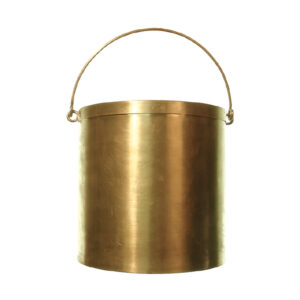
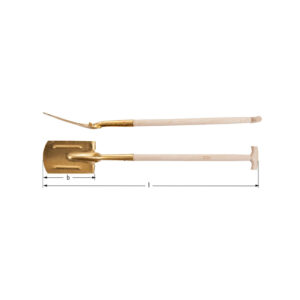
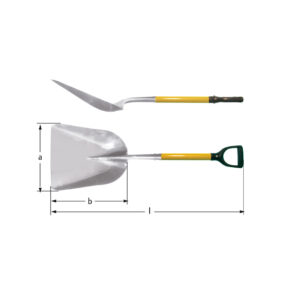
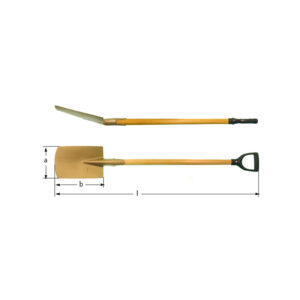
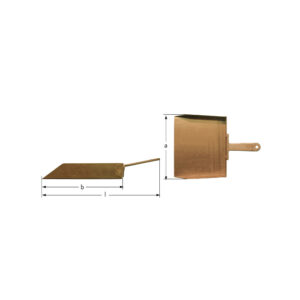
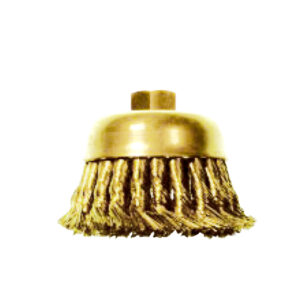

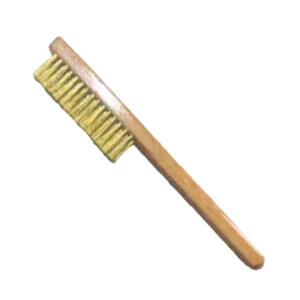
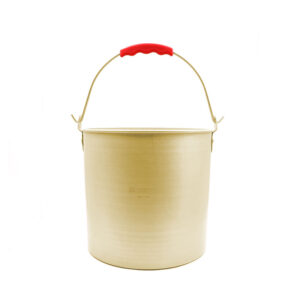
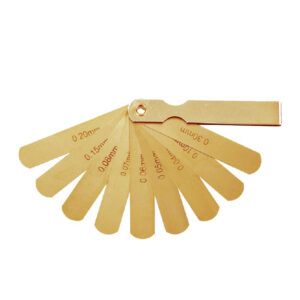
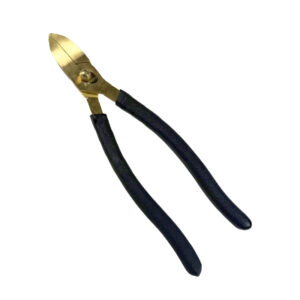
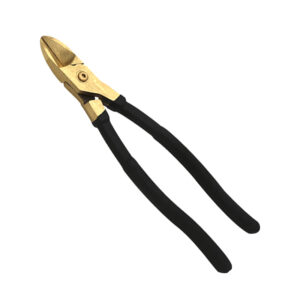
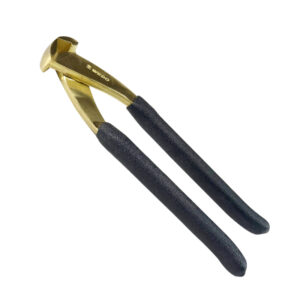
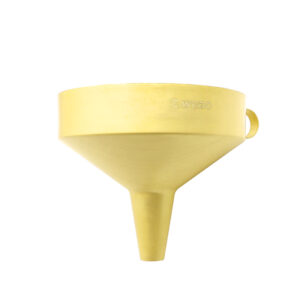
Brass hand tools are manual tools with key components made of brass alloy, tailored for industrial professionals seeking non-sparking, corrosion-resistant tools for specialised environments. These tools often include pliers, hammers, knives and scrapers, measuring implements, wire brushes, oil-handling devices, and construction or landscaping tools—all using brass materials where impact, friction or fluid contact demands durability and safety compliance.
This category displays a range of brass-based hand tools for industrial use: brass pliers, brass hammers, and brass knives and scrapers. You will also see brass measuring tools, wire brushes with brass elements, oil handling tools made from brass, and tools for construction and landscaping using brass materials. Each product type is explicitly filtered under “brass hand tools.” The assortment spans from cleaning brushes to scraping blades to heavy duty striking tools, all sharing the brass characteristic for material performance in specific conditions.
Brass hand tools are used in industries where non-sparking tools are essential, such as petrochemical plants, mining, and fabrication workshops. Oil-handling brass tools are applied in lubrication, fluid processing, and hydraulic maintenance, where compatibility with oils and resistance to corrosion are critical. Measuring tools are deployed for precision work in machining, alignment, and quality inspection. Knives, scrapers, and wire brushes are used in surface preparation, cleaning, and finishing tasks. Construction and landscaping tools made of brass serve in environments requiring reduced risk of sparks and enhanced durability.
Brass hand tools are constructed primarily from copper-zinc alloys, sometimes with added tin or other elements to modify strength, hardness, or corrosion resistance. Key technical characteristics include material hardness (e.g., Brinell or Rockwell scales), tensile strength, and non-sparking performance under impact or friction. Tolerances in dimensions—particularly for measuring tools—must comply with standards for accuracy (for example ±0.1 mm or better). Oil handling tools include fittings, spouts, or handles that must resist oil degradation and maintain sealing under relevant temperatures and pressures.
Typical variations within brass hand tools include striking tools (hammers), gripping tools (pliers), cutting and scraping tools, surface preparation tools (wire brushes), and tools designed for fluid contact (oil handling). Each differs in geometry, hardness, and finish: hammers may have wooden or synthetic handles; wire brushes may vary in wire diameter and bristle density; measuring tools might be rigid or flexible. Compliance considerations include conformity with non-sparking tool standards for hazardous locations (for example, mining safety regulations or ATEX directives), and certifications for material composition or traceability. Selection considerations include operating temperature, exposure to chemicals or moisture, load and impact demands, tool compatibility with nearby surfaces, and the required precision.
MEMIDOS serves global industrial buyers and procurement professionals seeking tools directly from manufacturers and verified suppliers, removing middlemen to make sourcing more efficient. Payments are handled securely with an escrow-based system, so funds are held until shipment or agreed order conditions are met, providing protection for both buyer and supplier. The platform offers access to quality brass hand tools from suppliers with documented specifications, enhancing transparency and reducing risk in international procurement processes.
English
Български (Bulgarian)
Hrvatski (Croatian)
Čeština (Czech)
Dansk (Danish)
Nederlands (Dutch)
Suomi (Finnish)
Français (French)
Deutsch (German)
Ελληνικά (Greek)
Magyar (Hungarian)
Italiano (Italian)
Norsk bokmål (Norwegian Bokmål)
Polski (Polish)
Português (Portuguese (Portugal))
Română (Romanian)
Русский (Russian)
Español (Spanish)
Svenska (Swedish)
Türkçe (Turkish)