
Cart
No products in the cart.
 English
 Български (Bulgarian)
 Hrvatski (Croatian)
 Čeština (Czech)
 Dansk (Danish)
 Nederlands (Dutch)
 Suomi (Finnish)
 Français (French)
 Deutsch (German)
 Ελληνικά (Greek)
 Magyar (Hungarian)
 Italiano (Italian)
 Norsk bokmål (Norwegian Bokmål)
 Polski (Polish)
 Português (Portuguese (Portugal))
 Română (Romanian)
 Русский (Russian)
 Español (Spanish)
 Svenska (Swedish)
 Türkçe (Turkish)
Showing 49–49 of 49 resultsSorted by popularity
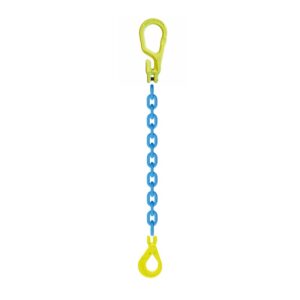
Lifting equipment includes hardware designed to raise, lower or secure loads in industrial settings. It encompasses components such as lifting chains, hooks, shackles, lifting points, joints, and links for lifting. Procurement professionals and engineers seek lifting equipment with high load capacity, robust material strength, precise safety ratings, and compliance with lifting standards for reliable operations in construction, manufacturing, and heavy industry.
This category features lifting chains, which are used to support heavy loads via tensile strength; lifting hooks, designed to attach or suspend loads; repair kits for lifting hooks, used to restore or maintain hook integrity; shackles, which link various lifting components; lifting points, letting you connect lifting tools to machinery or structures; and joints and links for lifting, which provide flexibility and articulation in assemblies. All products are grouped under lifting equipment, each tailored to specific load-bearing roles and useful for constructing safe, modular lifting systems.
In heavy manufacturing and construction, lifting chains and hooks are used in hoisting gear and rigging systems for moving structural steel or machinery. Repair kits for lifting hooks restore safety critical elements after fatigue or damage. Shackles serve as connecting links between chains or ropes and lifting points, enabling articulation or anchoring load paths. Lifting points are fixed to machinery or components and serve as attachment sites for hoists. Joints and links for lifting allow angular flexibility, useful where angled load paths or limited space impose constraints. Considerations include load capacity rating and lifting safety inspection.
Lifting equipment refers to load-bearing components designed to bear tensile or shear forces safely. Key technical characteristics include rated load capacity (working load limit), material grade (such as alloy steel or steel grade ratings), factor of safety, fatigue endurance, and dimensional specifications including pin diameter, chain link size, hook throat opening, or lifting point thread sizing. Performance parameters may include temperature rating, corrosion resistance, and impact toughness. Typical use cases include lifting or suspending equipment, load control in rigging systems, machine lifting operations, and securing components during transportation. Common variations are lifting chains for direct load support, hooks for quick attachment, shackles as rigid or flexible connectors, lifting points embedded in structures, and joints or links offering articulation under load. Standards or certifications often involved include lifting gear safety regulations, EN or ANSI load ratings, periodic inspection requirements, and traceable marking of graded components. Selection considerations include the anticipated load (static or dynamic), environmental conditions (corrosion, temperature), compatibility with existing rigging hardware, and how often the equipment will be used (duty cycle).
MEMIDOS operates as a global B2B platform connecting industrial buyers directly with verified manufacturers and suppliers of lifting equipment. By eliminating middlemen, procurement operations become more efficient and cost-effective without sacrificing reliability. Payments are secured through an escrow-based system where funds are held until order conditions—such as shipment—are confirmed, ensuring financial protection for buyer and supplier. Industrial buyers benefit from a transparent sourcing environment and access to products that meet technical expectations from originators of manufacturing and supply.
English
Български (Bulgarian)
Hrvatski (Croatian)
Čeština (Czech)
Dansk (Danish)
Nederlands (Dutch)
Suomi (Finnish)
Français (French)
Deutsch (German)
Ελληνικά (Greek)
Magyar (Hungarian)
Italiano (Italian)
Norsk bokmål (Norwegian Bokmål)
Polski (Polish)
Português (Portuguese (Portugal))
Română (Romanian)
Русский (Russian)
Español (Spanish)
Svenska (Swedish)
Türkçe (Turkish)