
Cart
No products in the cart.
 English
 Български (Bulgarian)
 Hrvatski (Croatian)
 Čeština (Czech)
 Dansk (Danish)
 Nederlands (Dutch)
 Suomi (Finnish)
 Français (French)
 Deutsch (German)
 Ελληνικά (Greek)
 Magyar (Hungarian)
 Italiano (Italian)
 Norsk bokmål (Norwegian Bokmål)
 Polski (Polish)
 Português (Portuguese (Portugal))
 Română (Romanian)
 Русский (Russian)
 Español (Spanish)
 Svenska (Swedish)
 Türkçe (Turkish)
Showing 81–96 of 716 resultsSorted by popularity
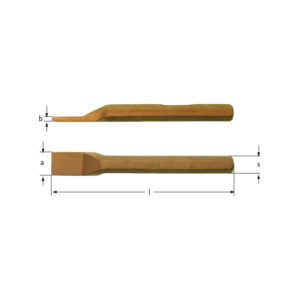
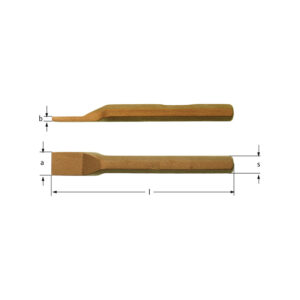
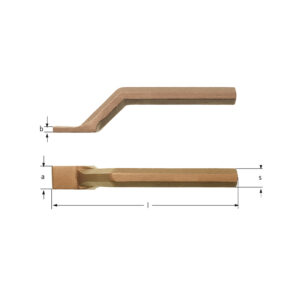
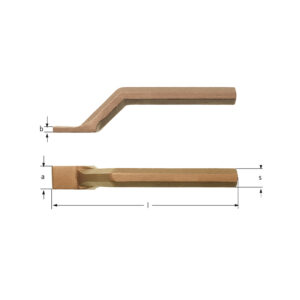
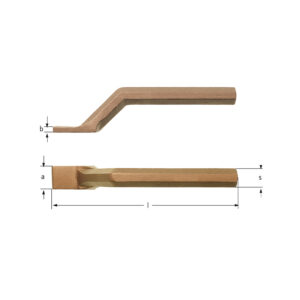
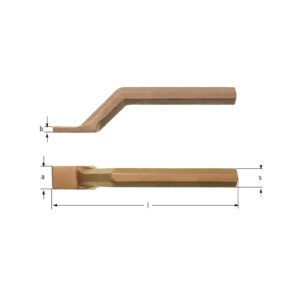
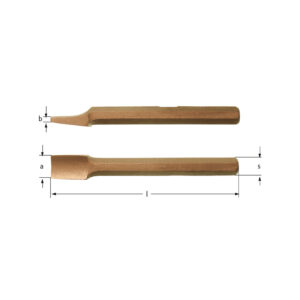
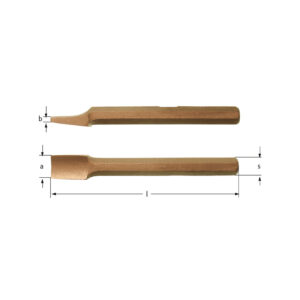
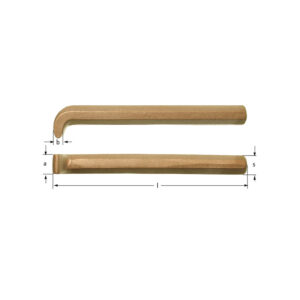
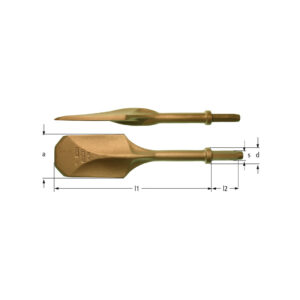
Non-sparking, non-magnetic hand tools are tools manufactured from alloys—such as aluminium bronze, beryllium copper, nickel copper—that neither generate sparks under impact nor interfere with magnetic fields. These tools are essential safety equipment in environments with flammable gases, vapors, combustible dusts, or equipment sensitive to magnetism. Industrial buyers look for tools that comply with safety standards (for example ATEX), laboratory-grade specifications, and materials certified for both non-sparking and non-magnetic properties.
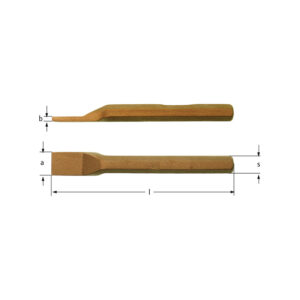
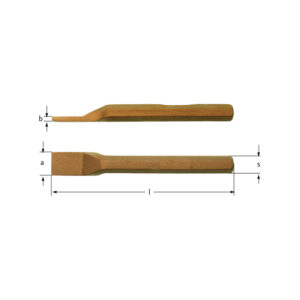
Within this category you will find chisel types—including flat chisels, caulking chisels, and scrapers—crafted from aluminium bronze and beryllium copper. There are socket spanners and striking box wrenches in multiple metric sizes. Tools for scraping, putty application, painting surface prep like wire brushes and flat-back brushes are included. Sets combining numerous tools—such as hammers, wrenches, scrapers, screwdrivers, and specialised tools—are also available. Materials and tools are structured by categories such as safety wrenches, tool sets, chisels, wire brushes, screwdrivers, and socket spanners.
These non-sparking and non-magnetic hand tools are used in industries such as petrochemical, oil and gas, mining, chemical processing, and power generation where explosion risk is present due to flammable vapors or combustible dust. They are also required in environments with magnetic sensitive operations, such as medical imaging or electronics manufacturing. Safety wrenches, chisels, and putty knives are used in maintenance, repair, and clean-up tasks. Tool sets serve field service or emergency response teams. They are also used as non-spark safety equipment and in contexts requiring ATEX-certified tools.
These tools are designed to prevent ignition sources in hazardous atmospheres by using base materials with low magnetic permeability and high resistance to spark production on impact. Common materials are aluminium bronze, beryllium copper, and nickel copper alloys tested under standards such as EN 80079-38:2016 for gas explosion groups IIA, IIB, IIC; they may also conform to ATEX directives for zones where explosive atmospheres are present. Key technical characteristics include hardness ratings (for example 30-40 HRC in tool sets), dimensional specifications (length, cross-sectional area), and impact energy thresholds (e.g. impact tests to 102 J) ensuring low sparking under use. Variations include striking box wrenches, socket spanners, scissors‐type scrapers, flat chisels, wire brushes, and multi-piece kits—the differences lie in tool shape, size, number of pieces, material composition, and intended use (scraping, hammering, tightening). Selection considerations include the environment (flammable vapors, dust, magnetic sensitivity), operating temperature, mechanical load, corrosion exposure, and compatibility with fastener sizes. Attention should be paid to certifications (ATEX, BAM, CE marking), material magnetic permeability values, hardness, and durability under impact or abrasion.
MEMIDOS is a global B2B platform that connects procurement professionals with verified manufacturers and suppliers of industrial tools. Buyers can order directly from manufacturers without intermediaries, facilitating more efficient procurement and potentially more competitive pricing. Payment is managed via a secure, escrow-based system: funds are held until order conditions—such as shipment—are met, which ensures protection for buyers and reliability for suppliers. The platform provides access to high-quality industrial products from suppliers who conform to recognised safety standards. MEMIDOS aims to simplify international procurement by offering transparency in sourcing, visible technical details and certifications, and streamlined global access to specialist tools.
English
Български (Bulgarian)
Hrvatski (Croatian)
Čeština (Czech)
Dansk (Danish)
Nederlands (Dutch)
Suomi (Finnish)
Français (French)
Deutsch (German)
Ελληνικά (Greek)
Magyar (Hungarian)
Italiano (Italian)
Norsk bokmål (Norwegian Bokmål)
Polski (Polish)
Português (Portuguese (Portugal))
Română (Romanian)
Русский (Russian)
Español (Spanish)
Svenska (Swedish)
Türkçe (Turkish)