
Cart
No products in the cart.
 English
 Български (Bulgarian)
 Hrvatski (Croatian)
 Čeština (Czech)
 Dansk (Danish)
 Nederlands (Dutch)
 Suomi (Finnish)
 Français (French)
 Deutsch (German)
 Ελληνικά (Greek)
 Magyar (Hungarian)
 Italiano (Italian)
 Norsk bokmål (Norwegian Bokmål)
 Polski (Polish)
 Português (Portuguese (Portugal))
 Română (Romanian)
 Русский (Russian)
 Español (Spanish)
 Svenska (Swedish)
 Türkçe (Turkish)
Showing 1–16 of 40 resultsSorted by popularity
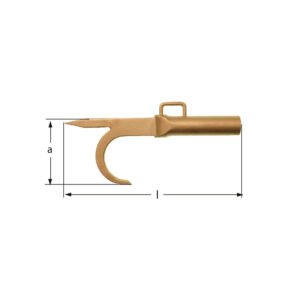
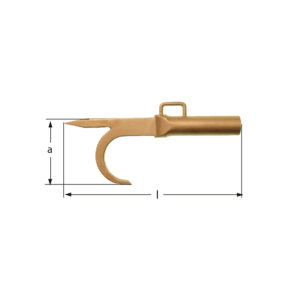
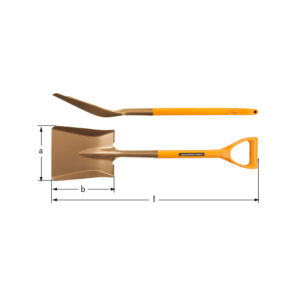
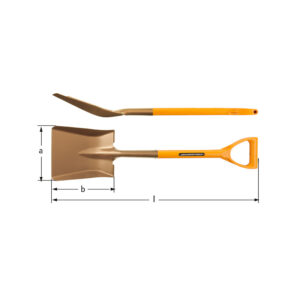
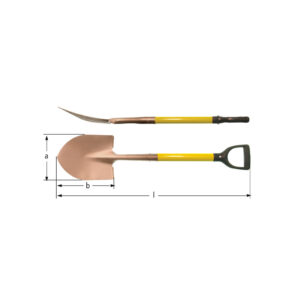
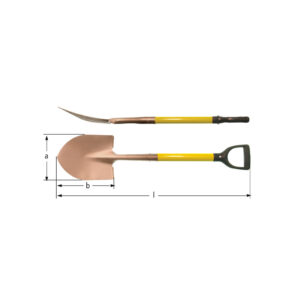
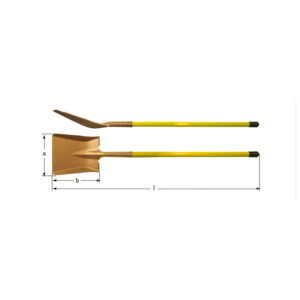
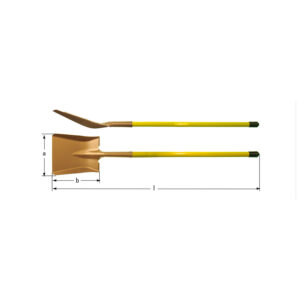
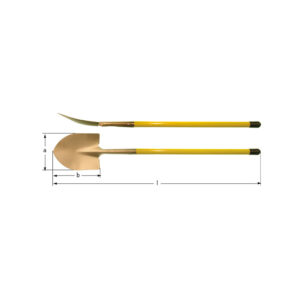
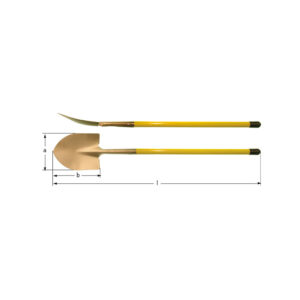
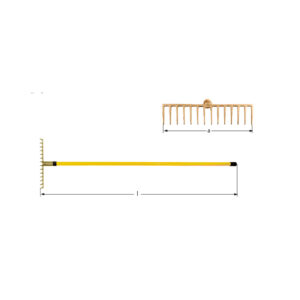
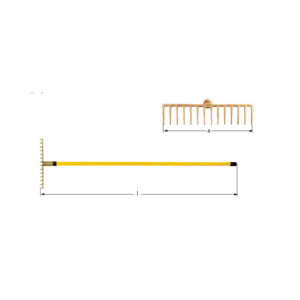
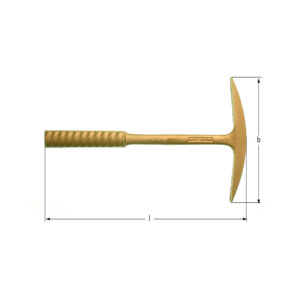
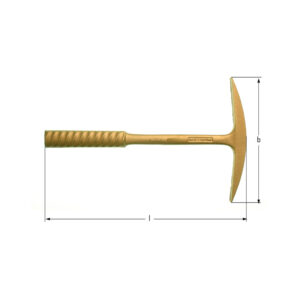
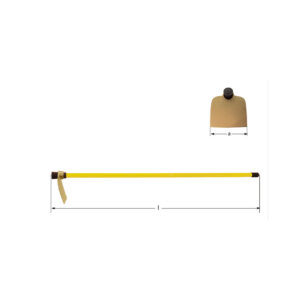
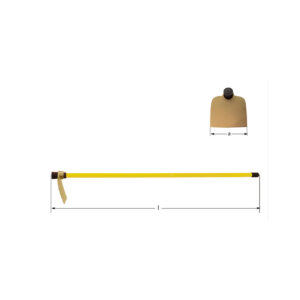
This category includes non-sparking hand tools used in construction and landscaping tasks where safety from ignition is critical. Each tool is crafted from non-magnetic, spark-resistant materials such as beryllium-copper and aluminium-bronze. Industrial professionals requiring tools that meet ATEX or equivalent standards specify such equipment for use in hazardous or flammable environments.
The page offers construction and landscaping implements that are non-sparking and non-magnetic. You’ll find shovels and hand shovels with straight or D-handles, round-point and squared shovels, dust shovels, garden rakes, pickaxes including miner’s picks and picks for railroad work, hoes and planter’s hoes, hand dust-pans (hand shovels for waste), and scoops intended for granules and liquids. Materials include aluminium bronze, beryllium copper, and brass. These tools are categorized under “Tools for construction and landscaping - Non-sparking” alongside variants in brass and related metal-alloy compositions.
These non-sparking tools are essential in environments with a risk of flammable gases, vapors, or combustible dust—such as chemical plants, petrochemical operations, fuel storage, and gas distribution facilities. They are also used in exploration and mining, especially in areas requiring non-magnetic tools—like near sensitive detection equipment or where magnetic interference must be reduced. Secondary industries include shipyards for handling combustible cargo, electrical utilities in volatile atmospheres, and agricultural or landscaping operations near fuel storage. They are suitable for use in hazardous atmospheres and other explosion-risk environments.
Non-sparking tools for construction and landscaping are hand tools made from specialized copper-based or non-ferrous alloys designed to resist spark generation under impact or friction. Common materials include beryllium-copper and aluminium-bronze alloys. These materials must exhibit low magnetic permeability and pass tests such as EN 80079-38, especially under conditions like hydrogen-air atmospheres and ATEX zones. Technical characteristics include hardness sufficient to perform digging, cutting, scooping, or raking while maintaining non-sparking behaviour, corrosion resistance for outdoor or chemical exposure, appropriate dimensions of shovel blades, handle length, pick weight or rake width depending on task.
Functional variations include types like D-handle versus straight-handle shovels, round-point versus squared or dust shovels, picks and mattocks for breaking ground, hoes for soil manipulation, and scoops for bulk materials. Each differs in blade shape, handle length, and weight capacity. Certifications or compliance considerations often include ATEX or BAM marks, CE marking, and possibly certifications related to magnetic interference. Key selection considerations include operating environment (presence of explosive gases, flammable dust), material compatibility (acids, seawater, corrosion), tool size and ergonomic handling for outdoor work, durability under repeated impact, and non-magnetic properties where required.
MEMIDOS offers a global B2B platform connecting industrial procurement professionals directly with manufacturers and verified suppliers. By cutting out intermediaries, buyers can procure construction and landscaping non-sparking hand tools more efficiently and at competitive cost. Payment is handled via secure escrow: funds are held until order conditions such as shipment are confirmed, protecting both buyer interests and supplier reliability. The platform simplifies cross-border sourcing, provides transparency in product origin and compliance certifications, and ensures access to tools that meet stringent safety standards from ATEX-certified alloys and materials suitable for hazardous industrial environments.
English
Български (Bulgarian)
Hrvatski (Croatian)
Čeština (Czech)
Dansk (Danish)
Nederlands (Dutch)
Suomi (Finnish)
Français (French)
Deutsch (German)
Ελληνικά (Greek)
Magyar (Hungarian)
Italiano (Italian)
Norsk bokmål (Norwegian Bokmål)
Polski (Polish)
Português (Portuguese (Portugal))
Română (Romanian)
Русский (Russian)
Español (Spanish)
Svenska (Swedish)
Türkçe (Turkish)