
Cart
No products in the cart.
 English
 Български (Bulgarian)
 Hrvatski (Croatian)
 Čeština (Czech)
 Dansk (Danish)
 Nederlands (Dutch)
 Suomi (Finnish)
 Français (French)
 Deutsch (German)
 Ελληνικά (Greek)
 Magyar (Hungarian)
 Italiano (Italian)
 Norsk bokmål (Norwegian Bokmål)
 Polski (Polish)
 Português (Portuguese (Portugal))
 Română (Romanian)
 Русский (Russian)
 Español (Spanish)
 Svenska (Swedish)
 Türkçe (Turkish)
Showing 1–16 of 51 resultsSorted by popularity
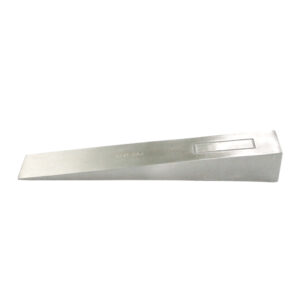
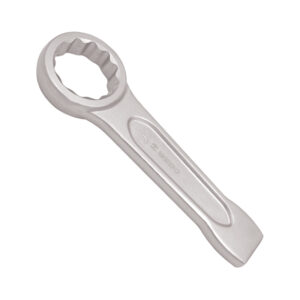
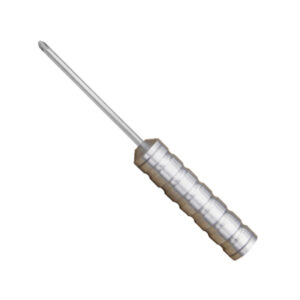
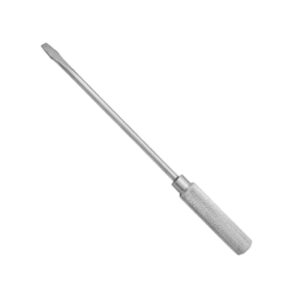
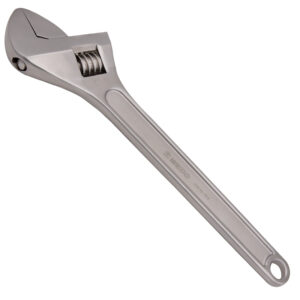
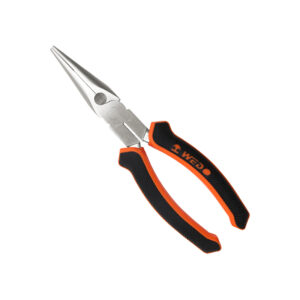
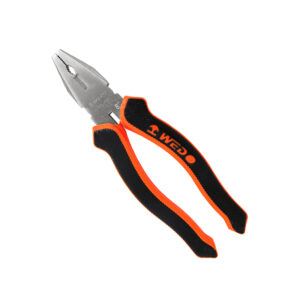
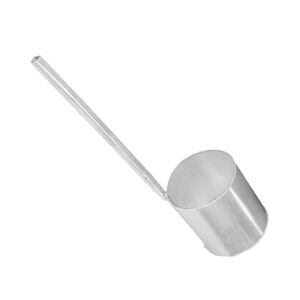
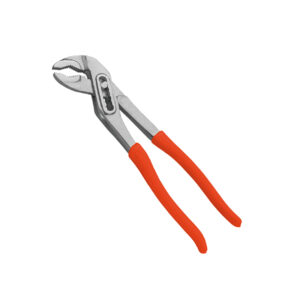
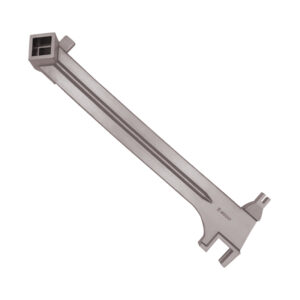
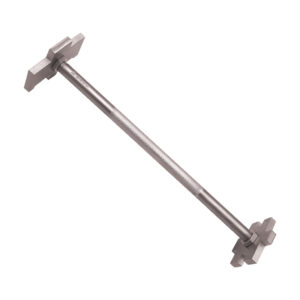
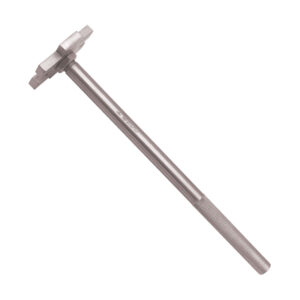
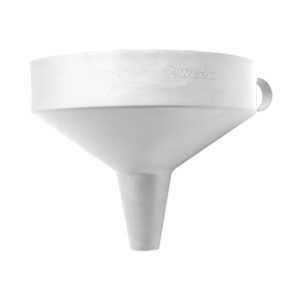
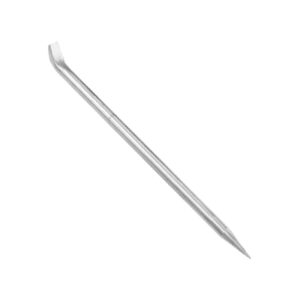
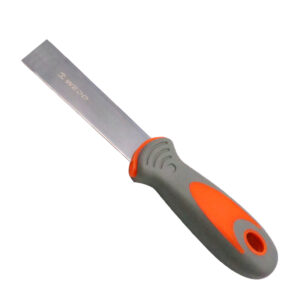
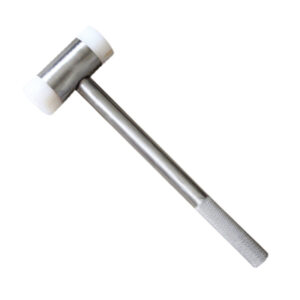
Stainless steel hand tools are manually operated implements made from corrosion-resistant alloy steel. They include wrenches, pliers, hammers, screwdrivers, chisels, knives, oil handling tools, and similar tools designed for durability in harsh industrial and commercial environments. Specifications often highlight corrosion resistance, hygiene compliance, and strength requirements.
This category includes stainless steel wrenches in metric sizes, stainless steel pliers, and stainless steel hammers. You will see stainless steel screwdrivers and hex keys / Allen keys in metric form. Also present are special stainless steel wrenches and stainless steel chisels, wedges and crowbars. Knives and scrapers made of stainless steel are listed, as well as stainless steel oil handling tools.
Tools in this category are used in environments requiring corrosion resistance, such as food processing plants, pharmaceutical manufacturing, marine maintenance, and cleanroom settings. Stainless steel screwdrivers and hex keys assist in precision fastening in hygienic or wet environments. Oil handling tools are suitable for lubricant management in machinery under wash-down conditions. Knives and scrapers are applied when cleaning, surfacing, or material removal is required. These tools are selected for their corrosion resistance and sanitary properties.
Hand tools made of stainless steel offer a primary function of enabling manual force for grip, leverage, striking, cutting, or scraping in industrial settings. Key technical characteristics include the alloy grade of stainless steel (commonly 304 or comparable), hardness ratings of cutting edges or striking surfaces, resistance to rust or staining in wet or corrosive atmospheres, and strength under repeated mechanical stress. Dimensions such as wrench opening sizes, plier jaw width, blade length for scrapers or knives, and hammer face diameter are critical. Typical use cases include mechanical assembly, disassembly, maintenance of machinery, and cleaning or scraping surfaces. Common variations differ by type of tool—e.g. pliers versus wrenches versus chisels—in function, leverage, or impact capacity. Standards and compliance considerations may include material certifications for food-grade stainless, hygienic surface finish, and conformity to relevant international mechanical safety standards. Selection considerations include operating temperature, exposure to chemicals or saltwater, repetitive load, compatibility with fasteners, and ergonomic handling under daily use conditions.
MEMIDOS operates as a global B2B platform offering industrial products directly from manufacturers and suppliers, eliminating intermediaries. This enables procurement efficiency and access to competitive pricing. Payment processing on the platform is secure and escrow-based: funds are held until order conditions, such as shipment or product conformity, are satisfied, protecting buyer interests while ensuring reliability for suppliers. Verified suppliers ensure that industrial products meet required technical quality. MEMIDOS simplifies international procurement and provides transparency in sourcing for industrial buyers and procurement professionals seeking stainless steel hand tools.
English
Български (Bulgarian)
Hrvatski (Croatian)
Čeština (Czech)
Dansk (Danish)
Nederlands (Dutch)
Suomi (Finnish)
Français (French)
Deutsch (German)
Ελληνικά (Greek)
Magyar (Hungarian)
Italiano (Italian)
Norsk bokmål (Norwegian Bokmål)
Polski (Polish)
Português (Portuguese (Portugal))
Română (Romanian)
Русский (Russian)
Español (Spanish)
Svenska (Swedish)
Türkçe (Turkish)