
Cart
No products in the cart.
 English
 Български (Bulgarian)
 Hrvatski (Croatian)
 Čeština (Czech)
 Dansk (Danish)
 Nederlands (Dutch)
 Suomi (Finnish)
 Français (French)
 Deutsch (German)
 Ελληνικά (Greek)
 Magyar (Hungarian)
 Italiano (Italian)
 Norsk bokmål (Norwegian Bokmål)
 Polski (Polish)
 Português (Portuguese (Portugal))
 Română (Romanian)
 Русский (Russian)
 Español (Spanish)
 Svenska (Swedish)
 Türkçe (Turkish)
Showing 49–57 of 57 resultsSorted by popularity
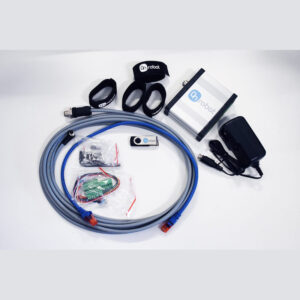
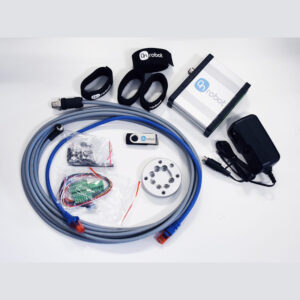
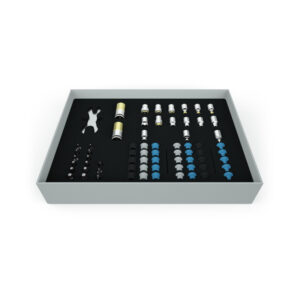
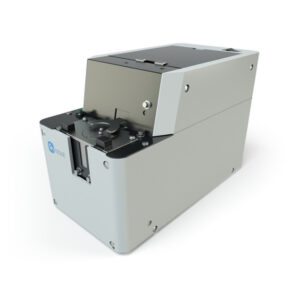
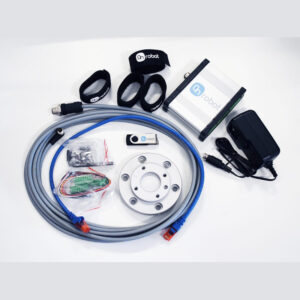
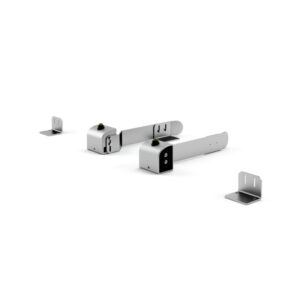
Equipment for robots refers to industrial-grade components and accessories that enhance, extend or enable robotic systems to perform desired tasks. These include adapter kits, vision systems, finger sets, brackets, bit extenders, and robot elevators. Such equipment supports integration, adaptability, and precision within factory automation, robotic handling, grip tooling, and palletizing workflows.
In this category you will find flange adapter kits and bit extenders designed to adjust or lengthen robot tool mounting points. Vision systems and lighting kits help with guidance and inspection. Suction cup sets and finger sets support gripping and handling of items like KLT boxes. Brackets—angle and extender types—serve to reposition or support tools. Also included is a robot elevator (Lift 100), which acts as an additional axis for palletizing or vertical reach in robotics systems. Other items include sanding and polishing foam pads, and fastening adapter flanges.
This equipment is used in applications like palletizing, material handling, assembly, and packaging. Vision systems enable inspection and alignment; suction cups or finger sets form part of gripper end-of-arm tooling. Brackets and adapter flanges allow attachment or relocation of tools for robotic arms. The robot elevator adds vertical reach—useful in stacking operations or where height variation is required. Tools like bit extenders reach into tight spaces. Related products include robotic tool changers, end-effector accessories, and cobot integration components.
Equipment for robots comprises precision mechanical and electromechanical parts that connect, extend or support robotic end-effectors. Key technical characteristics include material strength, compatibility with robot brands (e.g. for adapter kits and elevators), load capacity (payload), dimensional reach (length, height), speed, and environmental rating such as IP class. For instance, a robot elevator may offer a payload of 100 kg, reach between 730 mm and 1630 mm above floor, lifting speed between 10-100 mm/s, and an IP54 protection level. Bit extenders come in different types (A or B) and lengths (50 mm or 100 mm). Suction cup sets are measured by diameter (e.g. 15 mm or 30 mm). Vision systems must satisfy imaging resolution and mounting geometry. Common variations include grippers vs vacuum tools, mechanical adapters vs vision modules, static vs dynamic extensions. Standards and certifications matter: CE marking and relevant safety certifications (e.g. TÜV for safety stop functions) are important. Selection factors include the robot arm model, the operating environment (temperature, dust, moisture), required precision or tolerance, speed of movement, payload and cycle-times, and IP ratings if exposed to washdown or airborne debris.
MEMIDOS is a global B2B platform offering industrial equipment directly from verified manufacturers and suppliers. Buyers gain access to equipment for robots without intermediaries, promoting more efficient procurement and competitive pricing. The platform handles payments securely via escrow, holding funds until order conditions—such as shipment—are met, which protects buyers and ensures reliability. This direct model supports access to high-quality industrial products and simplifies international sourcing, improving transparency in procurement operations.
English
Български (Bulgarian)
Hrvatski (Croatian)
Čeština (Czech)
Dansk (Danish)
Nederlands (Dutch)
Suomi (Finnish)
Français (French)
Deutsch (German)
Ελληνικά (Greek)
Magyar (Hungarian)
Italiano (Italian)
Norsk bokmål (Norwegian Bokmål)
Polski (Polish)
Português (Portuguese (Portugal))
Română (Romanian)
Русский (Russian)
Español (Spanish)
Svenska (Swedish)
Türkçe (Turkish)