
Cart
No products in the cart.
 English
 Български (Bulgarian)
 Hrvatski (Croatian)
 Čeština (Czech)
 Dansk (Danish)
 Nederlands (Dutch)
 Suomi (Finnish)
 Français (French)
 Deutsch (German)
 Ελληνικά (Greek)
 Magyar (Hungarian)
 Italiano (Italian)
 Norsk bokmål (Norwegian Bokmål)
 Polski (Polish)
 Português (Portuguese (Portugal))
 Română (Romanian)
 Русский (Russian)
 Español (Spanish)
 Svenska (Swedish)
 Türkçe (Turkish)
Showing 17–25 of 25 resultsSorted by popularity
The Disinfection & Hygiene category includes industry-grade sanitation and hygiene solutions designed for maintaining cleanliness, preventing contamination, and controlling infection risks. Professionals seeking high quality hand disinfectants, surface disinfectants, cleaning agents, and distribution systems will find relevant products to support industrial cleanrooms, workshops, medical facilities, food processing plants, and other regulated environments.
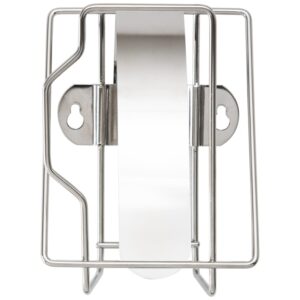
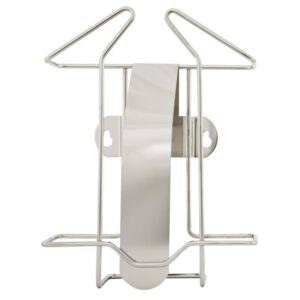
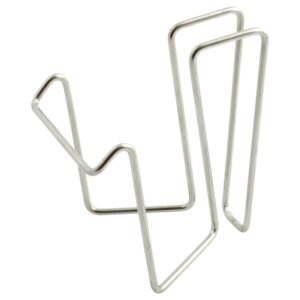
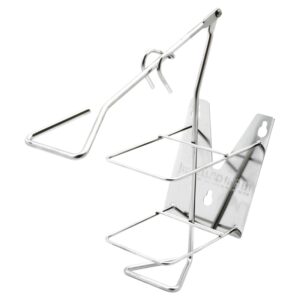
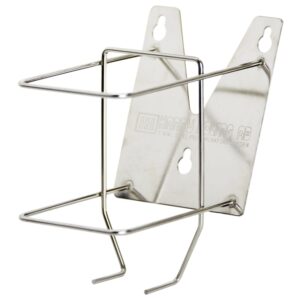
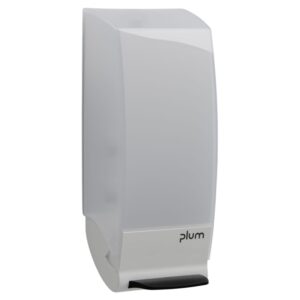
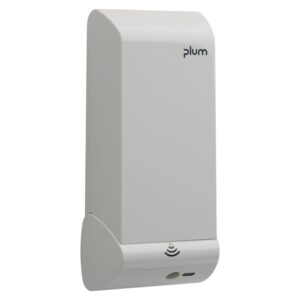
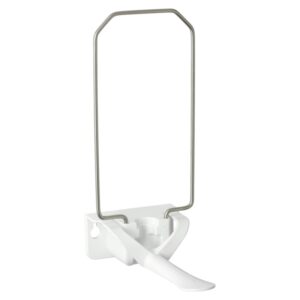
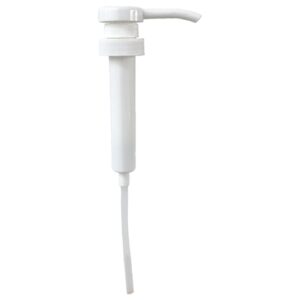
Within this category, you will find hand disinfectants with various alcohol concentrations suitable for skin sanitation. Surface disinfectants are available for non-porous areas, equipment surfaces, and frequent contact points in industrial settings. Surface cleaners are included for general hygiene tasks where less aggressive cleaning agents are acceptable. Disinfectant dispensers provide a means to store and dose sanitizers and cleaners effectively. The catalog also shows cloths designed for cleaning applications to aid in wiping and scrubbing tasks.
These products are used wherever infection control or hygiene is critical—such as laboratories, manufacturing facilities, food processing units, hospitals, and public service centers. Hand disinfectants are applied for personal protection and hand hygiene. Surface disinfectants and surface cleaners are used on workstations, machinery, tools, and high-touch surfaces to prevent cross-contamination. Disinfectant dispensers support compliance by making disinfectants accessible at wash stations or production lines. Cleaning cloths aid in manual removal of contaminants and can be critical in facilities that require regular deep cleaning.
Disinfection & hygiene products perform the primary function of reducing microbial load on skin and surfaces to acceptable levels. Key technical characteristics include the active ingredient type—typically ethanol or other alcohols for hand sanitizers; surfactants or chemical biocides in surface disinfectants; pH, contact time, and concentration of active agents. Surface cleaners often sacrifice high biocidal strength for gentler detergency. Disinfectant dispensers must meet durability standards, material compatibility (e.g., chemical resistance), flow rate, volume capacity, and mounting options. Cloths are characterized by fabric type, lint control, absorption rate, and durability.
Typical use cases include hand sanitation between operations, disinfecting tools or machinery surfaces after cleaning, and application in controlled environments where chemical residues must be minimal. Common variations: gel hand disinfectants versus liquid sprays; wipes versus bulk liquids for surfaces; manual dispensers versus wall-mounted or floor-standing dispensers. Compliance with industry standards—such as EN 1500 for hand rubs or EN 1276 for bactericidal activity—is often required. Selection considerations include environmental conditions (temperature, humidity), compatibility with surfaces and materials, safety for personnel (dermal tolerance, inhalation risk), and operational parameters like refillability and maintenance of dispenser systems.
MEMIDOS operates as a global B2B platform connecting industrial buyers with verified manufacturers and suppliers of disinfection & hygiene equipment. Buyers source directly without intermediaries, enabling more efficient procurement and competitive pricing. Payment is processed securely through an escrow system, where funds are held until order conditions—including receipt or shipment verification—are fulfilled, safeguarding buyer interests while ensuring reliable transactions for suppliers. MEMIDOS simplifies international procurement by offering transparency into product specifications and supplier credentials across regions.
English
Български (Bulgarian)
Hrvatski (Croatian)
Čeština (Czech)
Dansk (Danish)
Nederlands (Dutch)
Suomi (Finnish)
Français (French)
Deutsch (German)
Ελληνικά (Greek)
Magyar (Hungarian)
Italiano (Italian)
Norsk bokmål (Norwegian Bokmål)
Polski (Polish)
Português (Portuguese (Portugal))
Română (Romanian)
Русский (Russian)
Español (Spanish)
Svenska (Swedish)
Türkçe (Turkish)