Cart
No products in the cart.
 English
 Български (Bulgarian)
 Hrvatski (Croatian)
 Čeština (Czech)
 Dansk (Danish)
 Nederlands (Dutch)
 Suomi (Finnish)
 Français (French)
 Deutsch (German)
 Ελληνικά (Greek)
 Magyar (Hungarian)
 Italiano (Italian)
 Norsk bokmål (Norwegian Bokmål)
 Polski (Polish)
 Português (Portuguese (Portugal))
 Română (Romanian)
 Русский (Russian)
 Español (Spanish)
 Svenska (Swedish)
 Türkçe (Turkish)
Showing 97–112 of 126 resultsSorted by popularity
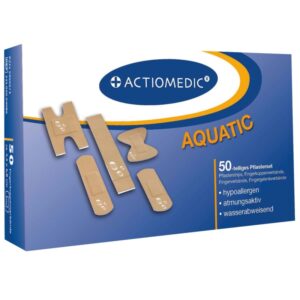
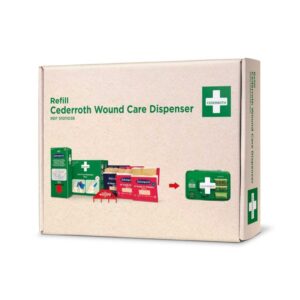
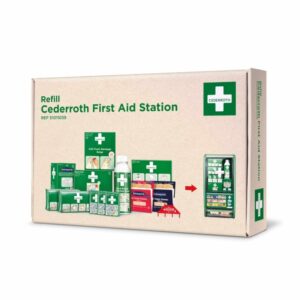
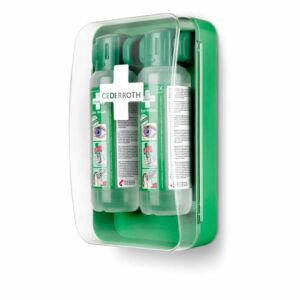
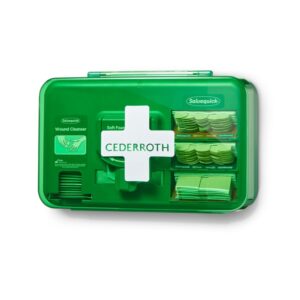
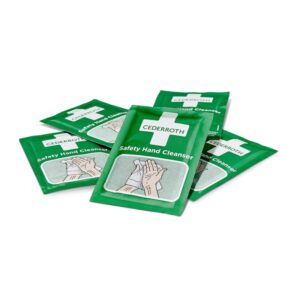
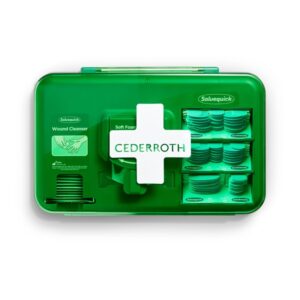
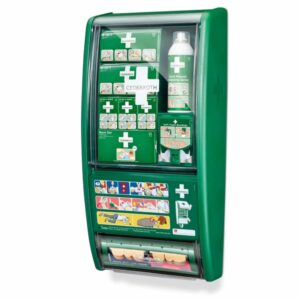
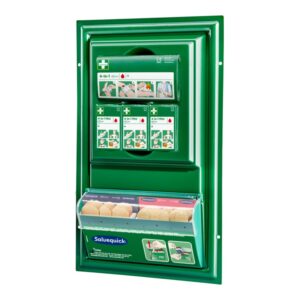
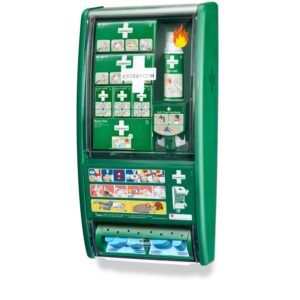
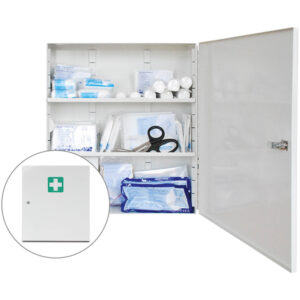
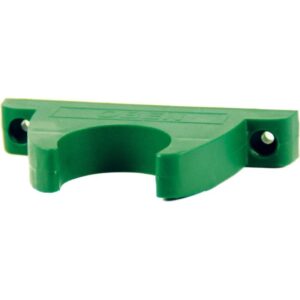
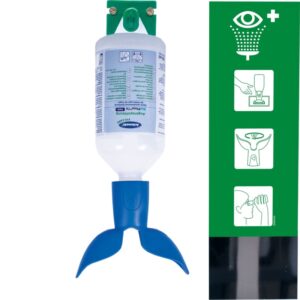
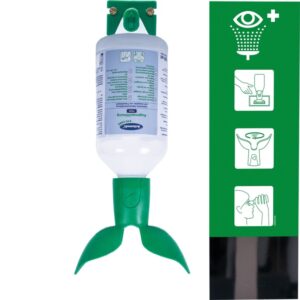
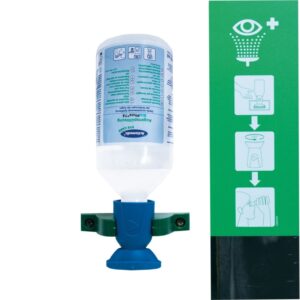
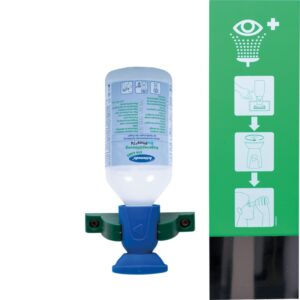
The first aid & emergency equipment category includes products for treating injuries and responding to accidents in industrial settings. It encompasses first aid kits and station setups, eye wash systems, wound care supplies such as plasters and bandages, burn treatment items, refill components, and emergency shower systems. These items serve safety professionals, facility managers, procurement specialists, and health & safety officers seeking compliant, reliable safety gear for industrial environments.
Within this category, visitors will find comprehensive first aid kits and matching refills designed to accommodate a range of injury scenarios. Eye wash equipment for chemical or particulate exposure is included, along with wound plaster and bandages of various types and dimensions. Burn care products address both immediate and ongoing treatment needs. First aid stations provide a fixed point for supplies. Emergency shower systems are available for rapid full-body decontamination in hazardous zones. All items are structured according to product types visible on the category page.
These products are used in many industrial applications, including manufacturing, chemical processing, labs, and construction sites. First aid stations and kits are essential in production lines where cuts, abrasions, or skin damage occur. Eye wash systems are critical in processes involving corrosive substances or fine particles. Burn care items are relevant in metallurgical, welding, or heat-intensive operations. Emergency shower systems provide compliance in environments handling hazardous chemicals. These use cases commonly involve workplace safety equipment, industrial emergency response measures, and adherence to safety regulations.
First aid & emergency equipment serves to mitigate injury, prevent infection, and support emergency response in industrial operations. Material selection is crucial: bandages and plasters should offer sterility, strength, and hypoallergenic performance. Burn care items must be resistant to sticking and support cooling. Eye wash stations require flow rates sufficient to flush contaminants, with chemical compatibility, and often must meet standards like EN 15154 or ANSI Z358. Emergency showers need performance parameters such as flow rate (e.g. 50–110 litres per minute), corrosion-resistant materials, and rapid activation mechanisms. Typical use cases include mounting first aid stations in high-risk areas, providing mobility for eye wash sinks, and installing safety showers near chemical storage zones. Variations include full first aid kits versus refills, burn care vs general wound care, eye wash standalone units vs integrated dispensers, and fixed emergency showers. Key standards for consumables may include CE marking, DIN specifications (e.g. DIN 13 157, DIN 13 169) and relevant ISO norms. Selection considerations include exposure to chemicals, frequency of use, storage conditions (temperature, humidity), compatibility of components, and regulatory compliance for safety certifications.
MEMIDOS is a global B2B platform dedicated to connecting industrial buyers and verified suppliers of emergency safety equipment. Procuring directly from manufacturers or suppliers without intermediaries helps ensure greater efficiency in procurement and more competitive pricing. The platform applies secure escrow-based payment handling, where funds are held until order conditions such as shipment are met, offering protection for buyers and reliability for suppliers. Buyers benefit from clear sourcing, access to high-quality first aid stations, trauma kits, eye wash systems, burn care supplies, and emergency showers all from verified industrial-grade providers. This simplifies international procurement and supports transparency in industrial sourcing.
English
Български (Bulgarian)
Hrvatski (Croatian)
Čeština (Czech)
Dansk (Danish)
Nederlands (Dutch)
Suomi (Finnish)
Français (French)
Deutsch (German)
Ελληνικά (Greek)
Magyar (Hungarian)
Italiano (Italian)
Norsk bokmål (Norwegian Bokmål)
Polski (Polish)
Português (Portuguese (Portugal))
Română (Romanian)
Русский (Russian)
Español (Spanish)
Svenska (Swedish)
Türkçe (Turkish)