
Cart
No products in the cart.
 English
 Български (Bulgarian)
 Hrvatski (Croatian)
 Čeština (Czech)
 Dansk (Danish)
 Nederlands (Dutch)
 Suomi (Finnish)
 Français (French)
 Deutsch (German)
 Ελληνικά (Greek)
 Magyar (Hungarian)
 Italiano (Italian)
 Norsk bokmål (Norwegian Bokmål)
 Polski (Polish)
 Português (Portuguese (Portugal))
 Română (Romanian)
 Русский (Russian)
 Español (Spanish)
 Svenska (Swedish)
 Türkçe (Turkish)
Showing 17–31 of 31 resultsSorted by popularity
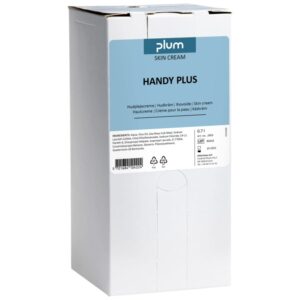
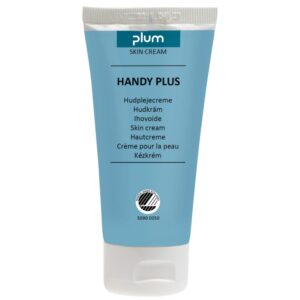
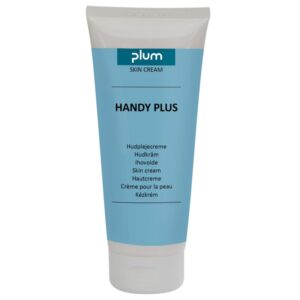
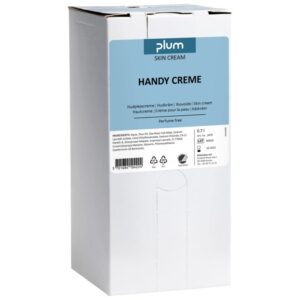
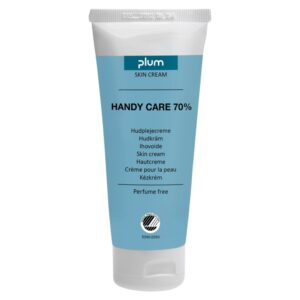





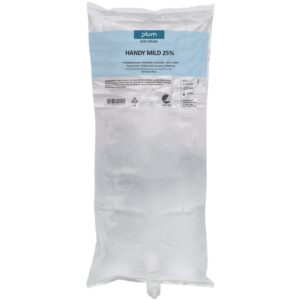



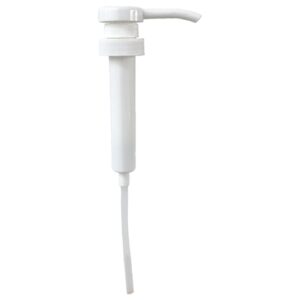
The hand & skin care category includes industrial-grade hand soap and skin cleaners, hand cream and skin protection, liquid soap and shower gel, and skin care dispensers designed for workplaces. These products serve hygiene, skin barrier maintenance, and cleansing needs in industrial settings. They are essential for facilities that require rigorous cleanliness and skin health under demanding conditions.
You’ll find a range of skin hygiene and care solutions tailored for industrial environments. Hand soap and skin cleaners offer strong cleansing capabilities. In addition, hand cream and skin protection products help restore moisture and protect against irritants. Liquid soap and shower gel options serve both hands and full-body cleansing roles where needed. Skin care dispensers are included for controlled and hygienic delivery of these products.
These products are used in settings where workers face exposure to industrial chemicals, oils, grime, or frequent washing—such as manufacturing plants, food processing facilities, automotive workshops, and laboratories. They support compliance with industrial hygiene standards and skin safety protocols. Liquid soap and shower gel can support decontamination routines after shifts or tasks involving heavy soil. Hand cream and skin protection are particularly relevant in cold‐storage or outdoor operations where skin barrier integrity is challenged.
The hand & skin care range provides cleansing and protection for skin under industrial use. Primary functions include removing contaminants, maintaining skin pH, repairing lipids, and preventing dermatitis. Key technical characteristics include formulation type (antibacterial vs gentle), viscosity, fragrance, skin compatibility (e.g. hypoallergenic), and active ingredients such as moisturizers, emollients, or skin barrier agents. Liquid soaps and shower gels differ in foaming ability and rinse-off residue; hand creams vary in absorption rate and occlusivity; skin protection creams may offer resistance to specific chemicals or physical abrasion.
Skin care dispensers differ by capacity, mounting style (wall-mount, countertop), actuation method (manual, touchless), and compatibility with refill formats. Standards and certifications to consider include skin irritation testing, safety data sheets, compliance with industrial hygiene regulations, and possibly ISO or EU cosmetic directives depending on region. Selection considerations often include environmental exposure (temperature, humidity), frequency of handwashing, presence of oils or solvents, compatibility with gloves or protective gear, and formulation safety for contact with food or sensitive equipment.
MEMIDOS is a global business-to-business platform specialized in industrial products. Through MEMIDOS, you procure hand & skin care items directly from verified manufacturers and suppliers without intermediaries. This structure supports efficient procurement, more competitive pricing, and greater transparency. Payments are handled securely via an escrow model, holding funds until agreed order conditions—such as correct shipment—are met, protecting both buyer and supplier interests. Verified supply quality and simplified sourcing procedures help procurement professionals maintain operational hygiene standards reliably.
English
Български (Bulgarian)
Hrvatski (Croatian)
Čeština (Czech)
Dansk (Danish)
Nederlands (Dutch)
Suomi (Finnish)
Français (French)
Deutsch (German)
Ελληνικά (Greek)
Magyar (Hungarian)
Italiano (Italian)
Norsk bokmål (Norwegian Bokmål)
Polski (Polish)
Português (Portuguese (Portugal))
Română (Romanian)
Русский (Russian)
Español (Spanish)
Svenska (Swedish)
Türkçe (Turkish)