
Cart
No products in the cart.
 English
 Български (Bulgarian)
 Hrvatski (Croatian)
 Čeština (Czech)
 Dansk (Danish)
 Nederlands (Dutch)
 Suomi (Finnish)
 Français (French)
 Deutsch (German)
 Ελληνικά (Greek)
 Magyar (Hungarian)
 Italiano (Italian)
 Norsk bokmål (Norwegian Bokmål)
 Polski (Polish)
 Português (Portuguese (Portugal))
 Română (Romanian)
 Русский (Russian)
 Español (Spanish)
 Svenska (Swedish)
 Türkçe (Turkish)
Showing 1–16 of 92 resultsSorted by popularity
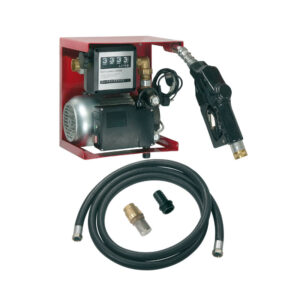
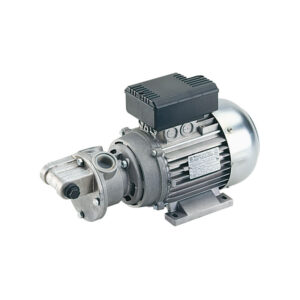
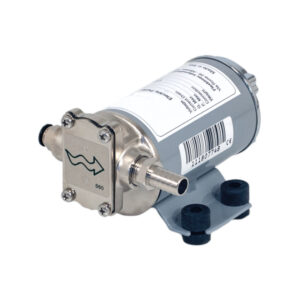
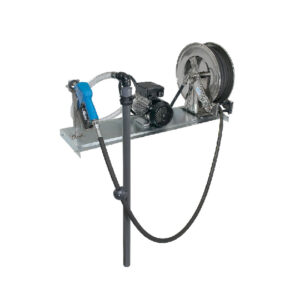
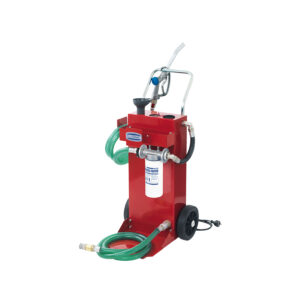
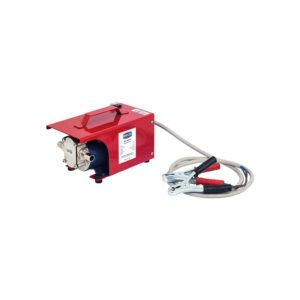
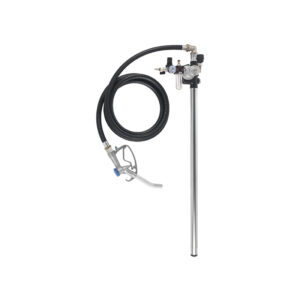
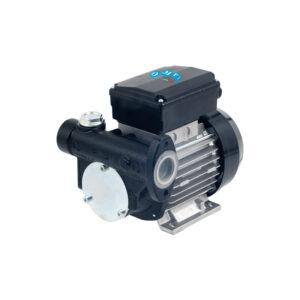
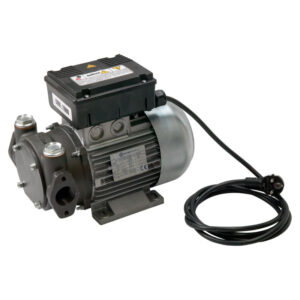
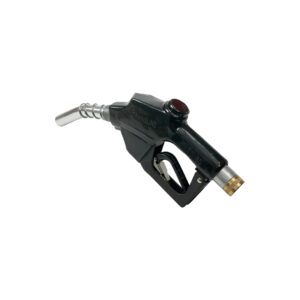
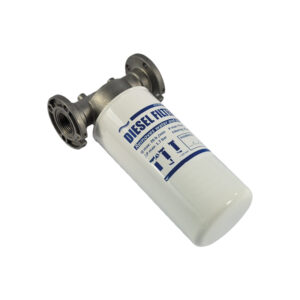
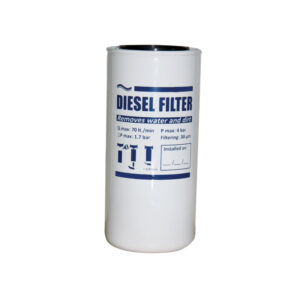
The Fuel and AdBlue Equipment category includes industrial machinery and components designed for handling, transferring, measuring, and dispensing fuels, biodiesel, and AdBlue. Typical products comprise pumps (electric, pneumatic), transfer kits, flow meters, and dispensing guns. This category targets industrial buyers such as transport fleet managers, agricultural operations, logistics operators, and maintenance facilities looking for fuel transfer systems, AdBlue dosing solutions, and fluid metering equipment.
This category contains a range of technical solutions: pumps for transferring diesel and AdBlue, both electric and pneumatic; dispensing kits equipped with flow meters and filling guns; automatic and manual nozzles and guns for fuel or AdBlue applications; hoses and hose reels designed for fuel, diesel, biodiesel, and AdBlue. There are also flow meters with oval gears specifically certified for AdBlue usage, and accessories like pressure regulators, hose holders, and mounting frames.
These products are used in industrial settings where accurate transfer and dispensing of fuel or AdBlue is required. Applications include serving fuel or AdBlue from tanks and tanker trucks, servicing heavy equipment and agricultural machinery, and maintaining emission control systems. Secondary tasks include regulating flow rates, pressure management, and ensuring compatibility with chemical fluid characteristics. Industries such as transport and logistics, agriculture, and environmental compliance rely on accurate fluid handling equipment and certified equipment for measurement.
Fuel and AdBlue equipment primarily serves to transfer, store, measure, and dispense diesel, biodiesel, or AdBlue cleanly and efficiently. Key technical characteristics include flow rate (e.g., from 1 l/min up to 90 l/min), pressure rating (for example 4 bar outlet pressure, maximum pressures up to 25 bar), and power specification (electric pumps rated at 230 V, 12-24 V, or air pressure inputs 2-8 bar for pneumatic systems). Materials contacting fluids must resist corrosion and chemical attack—e.g., stainless steel, EPDM hose, appropriate elastomers like Viton for gaskets. Pumps vary by drive type (electric, pneumatic), priming style (self-priming vs suction hose), and mounting or mobility (wall bracket, trolley). Flow meters are often oval-gear or digital-type, possibly MID certified under Directive 2014/32/EU, compliant with measurement standards such as OIML R117-1. Selection considerations include chemical compatibility (especially for AdBlue which requires non-metallic or passivated metal parts), ambient temperature range, desired accuracy, required pressure, hose length and diameter, and the intended fluid transfer volume. Compliance with CE marking, MID MI-005 certification, and applicable standards such as OIML ensures suitability for fiscal or regulatory fluid measuring.
MEMIDOS operates as a global B2B platform where industrial buyers procure fuel and AdBlue equipment directly from manufacturers and verified suppliers. By eliminating intermediaries, buyers gain access to competitive industrial machinery and components. Payments are escrow-based: funds are held securely by MEMIDOS until order conditions such as shipment are met, providing buyer protection and supplier reliability. The range includes certified equipment and high-quality systems tailored to stringent technical and regulatory requirements. The platform simplifies international procurement through streamlined supplier verification and transparency in sourcing.
English
Български (Bulgarian)
Hrvatski (Croatian)
Čeština (Czech)
Dansk (Danish)
Nederlands (Dutch)
Suomi (Finnish)
Français (French)
Deutsch (German)
Ελληνικά (Greek)
Magyar (Hungarian)
Italiano (Italian)
Norsk bokmål (Norwegian Bokmål)
Polski (Polish)
Português (Portuguese (Portugal))
Română (Romanian)
Русский (Russian)
Español (Spanish)
Svenska (Swedish)
Türkçe (Turkish)