
Cart
No products in the cart.
 English
 Български (Bulgarian)
 Hrvatski (Croatian)
 Čeština (Czech)
 Dansk (Danish)
 Nederlands (Dutch)
 Suomi (Finnish)
 Français (French)
 Deutsch (German)
 Ελληνικά (Greek)
 Magyar (Hungarian)
 Italiano (Italian)
 Norsk bokmål (Norwegian Bokmål)
 Polski (Polish)
 Português (Portuguese (Portugal))
 Română (Romanian)
 Русский (Russian)
 Español (Spanish)
 Svenska (Swedish)
 Türkçe (Turkish)
Showing 17–31 of 31 resultsSorted by popularity
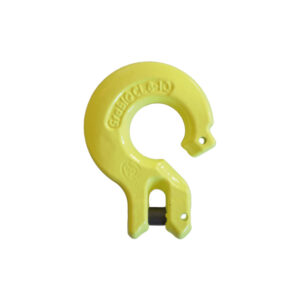


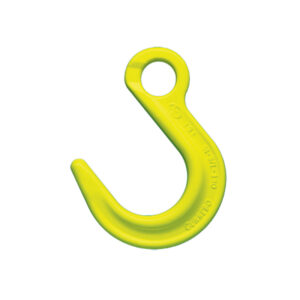
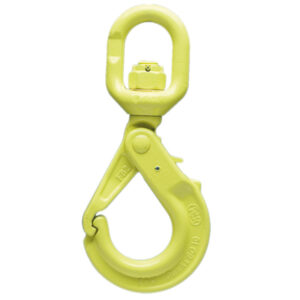
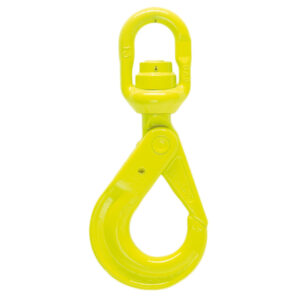
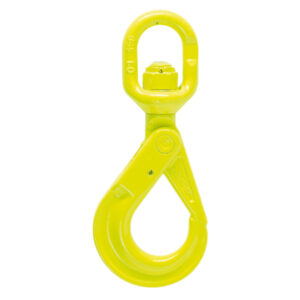
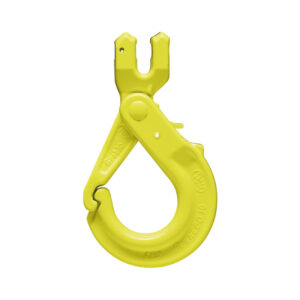
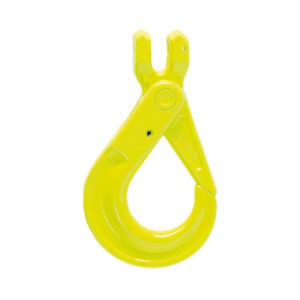
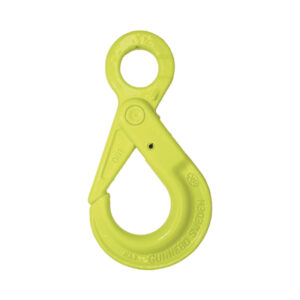
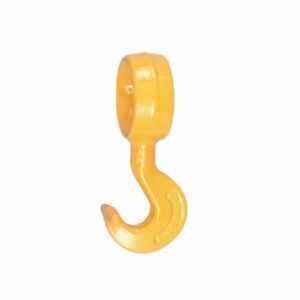
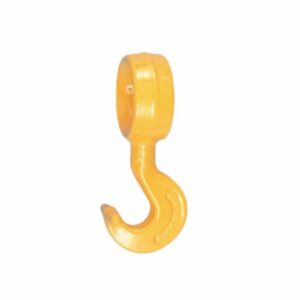
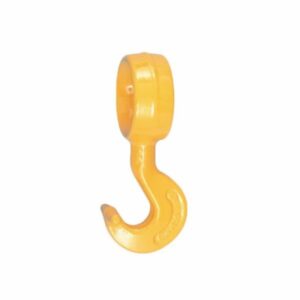
Lifting hooks are engineered components used in industrial hoisting and rigging applications to secure hoist lines, chains, or slings. They are essential for material handling tasks that involve suspending, lifting, or moving heavy loads in sectors like shipping, warehousing, construction, and logistics. These components must meet strict safety and performance standards to handle rated loads safely and reliably.
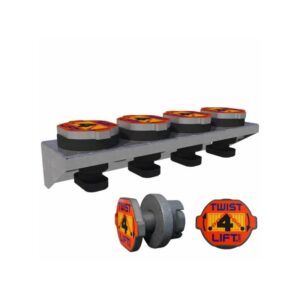
This category includes a variety of lifting hooks and related fittings designed for different configurations and load ratings. Among the available items are container hook sets for ISO corner mouldings, slide or choker hooks suitable for wire slings, multi-function top hooks with C-Grab links, and a full set of container hooks designed for maximum lifting capacity. Each product is grouped by load capacity, operational style (such as slide or top hook), grade classification (such as Grade 8 or Grade 10), and compatibility with different types of lifting setups.
Lifting hooks are used wherever heavy lifting, rigging, or suspending loads must be performed safely. Common use cases include lifting containerised freight using container hook sets, securing wire sling assemblies using choker-type slide hooks, and configuring adjustable lifting points with top hooks and fast-connect link systems. Industrial sectors that frequently use these components include maritime and container handling, heavy manufacturing, offshore operations, and construction. Professionals sourcing these parts prioritize rigging equipment compatibility, accurate load capacity ratings, and hoisting safety.
Lifting hooks serve the primary function of connecting hoisting gear to loads or anchors, transmitting forces safely without deforming or failing. Key technical characteristics include working load limit (WLL), grade classification (such as Grade 8, Grade 10, or higher), safety factor (often 4:1), and compliance with norms such as CE marking or EN standards like EN-1677. Differences among types include slide (choker) hooks that wrap around the sling, top hooks suited for direct load suspension, and container hook sets tailored for lift-points on shipping containers.
Materials are typically high-strength alloy steel with heat treatment, offering strength and durability; dimensions such as throat opening, eye size, hook depth, and pin diameter affect compatibility with chains, slings, or container fittings. Load ratings vary, with some hooks able to handle multi-tonne capacities—for example 3.2, 5.4 tons, up to full container configurations of 40 tons per set. Environmental conditions such as corrosion, temperature extremes, and exposure to dynamic loads affect material choice and coat or finish. Certification and periodic inspection are critical for compliance and safety.
MEMIDOS is a global B2B platform connecting industrial buyers with verified manufacturers and suppliers of lifting hooks. Because orders are placed directly without intermediaries, procurement processes are more efficient and costs are more competitive. Secure, escrow-based payment handling ensures funds are only released after agreed order conditions such as shipment are met, providing protection for purchasers and payment reliability for suppliers. Buyers gain access to quality lifting hooks certified to relevant standards and clear product specifications, while benefiting from transparent sourcing and simplified international procurement.
English
Български (Bulgarian)
Hrvatski (Croatian)
Čeština (Czech)
Dansk (Danish)
Nederlands (Dutch)
Suomi (Finnish)
Français (French)
Deutsch (German)
Ελληνικά (Greek)
Magyar (Hungarian)
Italiano (Italian)
Norsk bokmål (Norwegian Bokmål)
Polski (Polish)
Português (Portuguese (Portugal))
Română (Romanian)
Русский (Russian)
Español (Spanish)
Svenska (Swedish)
Türkçe (Turkish)