
Cart
No products in the cart.
 English
 Български (Bulgarian)
 Hrvatski (Croatian)
 Čeština (Czech)
 Dansk (Danish)
 Nederlands (Dutch)
 Suomi (Finnish)
 Français (French)
 Deutsch (German)
 Ελληνικά (Greek)
 Magyar (Hungarian)
 Italiano (Italian)
 Norsk bokmål (Norwegian Bokmål)
 Polski (Polish)
 Português (Portuguese (Portugal))
 Română (Romanian)
 Русский (Russian)
 Español (Spanish)
 Svenska (Swedish)
 Türkçe (Turkish)
Showing 1–16 of 24 resultsSorted by popularity
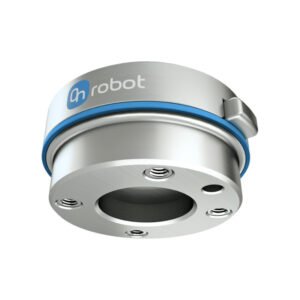
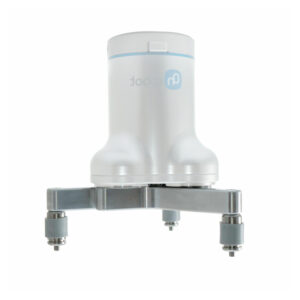
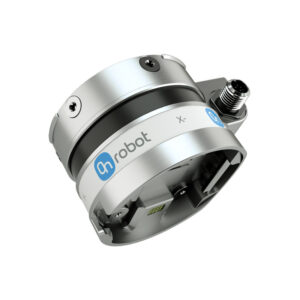
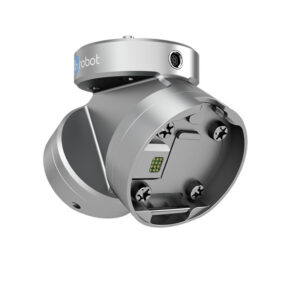
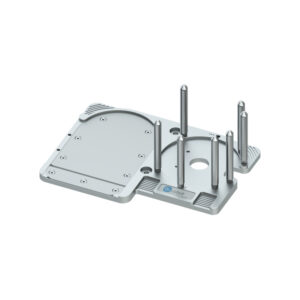
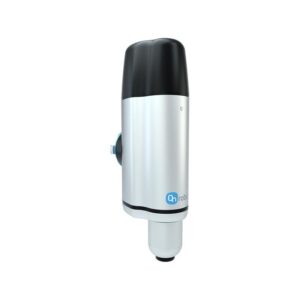
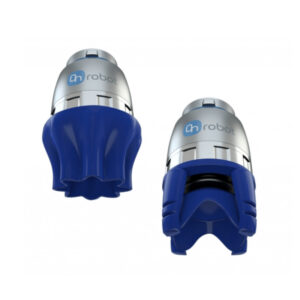
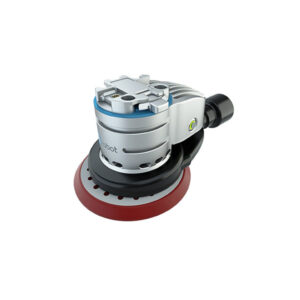
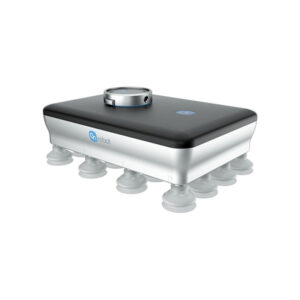
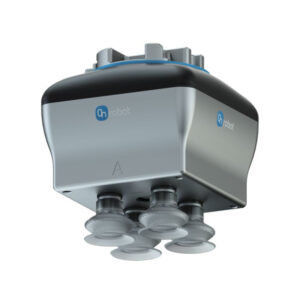
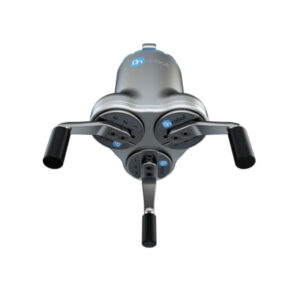
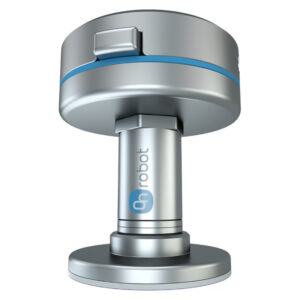
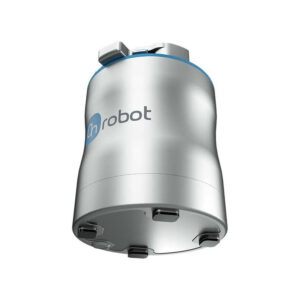
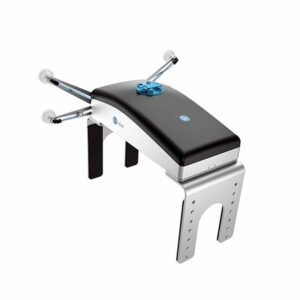
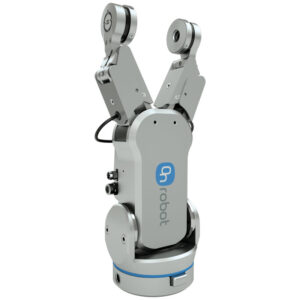
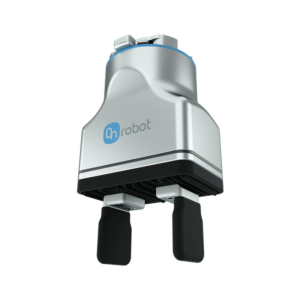
Robot grippers and robotic tools refer to end-of-arm tooling used in industrial automation systems to manipulate, hold, or interact with workpieces. This includes devices such as electric vacuum grippers, finger grippers, parallel and three-finger grippers, and tools for surface finishing like robot sanders. These components are essential for motion control, precision handling, and integrating robotics with manufacturing, packaging, food production, or finishing applications.
This page features robot grippers such as finger grippers with two or three fingers, electric vacuum grippers, quick changer modules, soft grippers with interchangeable silicone cups, parallel grippers, and tools beyond gripping like robotic sanders. You will also see kits combining fingers, auto-changing functionality, magnetic grippers, magnetic pad grippers, and force/torque sensors. These products support both gripping and additional robotic tool tasks like sanding, polishing, or precision surface finishing.
These grippers and tools are used in applications such as pick-and-place automation, palletising, packaging, machine tending, and surface finishing. They are commonly described as end-of-arm tooling and are selected based on required gripping force and application needs. Industries such as food and beverage benefit from soft grippers with food-grade silicone, while manufacturing and machining rely on high payload finger grippers for CNC part handling. Surface finishing tools, like robot sanders, are deployed in automotive, furniture, or metal fabrication where consistent polish or surface quality is required.
These tools attach to robot arms and serve functions like holding, manipulating, trimming, sanding, or applying force in production environments. Key technical characteristics include payload (often in kilograms), grip force (Newtons), stroke or gripping range (millimetres), operating temperature, IP rating, and compatibility such as voltage requirements and motor type. For example, finger grippers may offer 2-finger or 3-finger configurations, internal vs external gripping, or form-fit vs force-fit gripping. Vacuum grippers rely on suction force and surface contact properties. Surface finishing tools measure RPM, disc diameter, grit size, and whether compressed air is needed. Certifications and compliance are often relevant in clean or food-grade settings (e.g. FDA, EC food handling standards), as well as safety standards like TÜV or IP/ISO classifications. Selection depends on environment (humidity, cleanliness), load and shape of workpiece, robotic arm interface (flange type), expected cycle time, durability, and whether tools will be exposed to abrasive wear or chemicals.
MEMIDOS operates as a global B2B industrial platform offering direct access to manufacturers and suppliers of robot grippers and robotic tools, eliminating intermediaries. This ensures procurement is more efficient and pricing is competitive. Payment is secured by escrow-based protection: funds are held until order conditions such as shipment are met, giving buyers protection while ensuring reliability for suppliers. The platform hosts verified suppliers offering high-quality industrial products and simplifies international sourcing through transparent specification, compliance data, and logistics clarity, helping procurement teams streamline complex international decision-making.
English
Български (Bulgarian)
Hrvatski (Croatian)
Čeština (Czech)
Dansk (Danish)
Nederlands (Dutch)
Suomi (Finnish)
Français (French)
Deutsch (German)
Ελληνικά (Greek)
Magyar (Hungarian)
Italiano (Italian)
Norsk bokmål (Norwegian Bokmål)
Polski (Polish)
Português (Portuguese (Portugal))
Română (Romanian)
Русский (Russian)
Español (Spanish)
Svenska (Swedish)
Türkçe (Turkish)